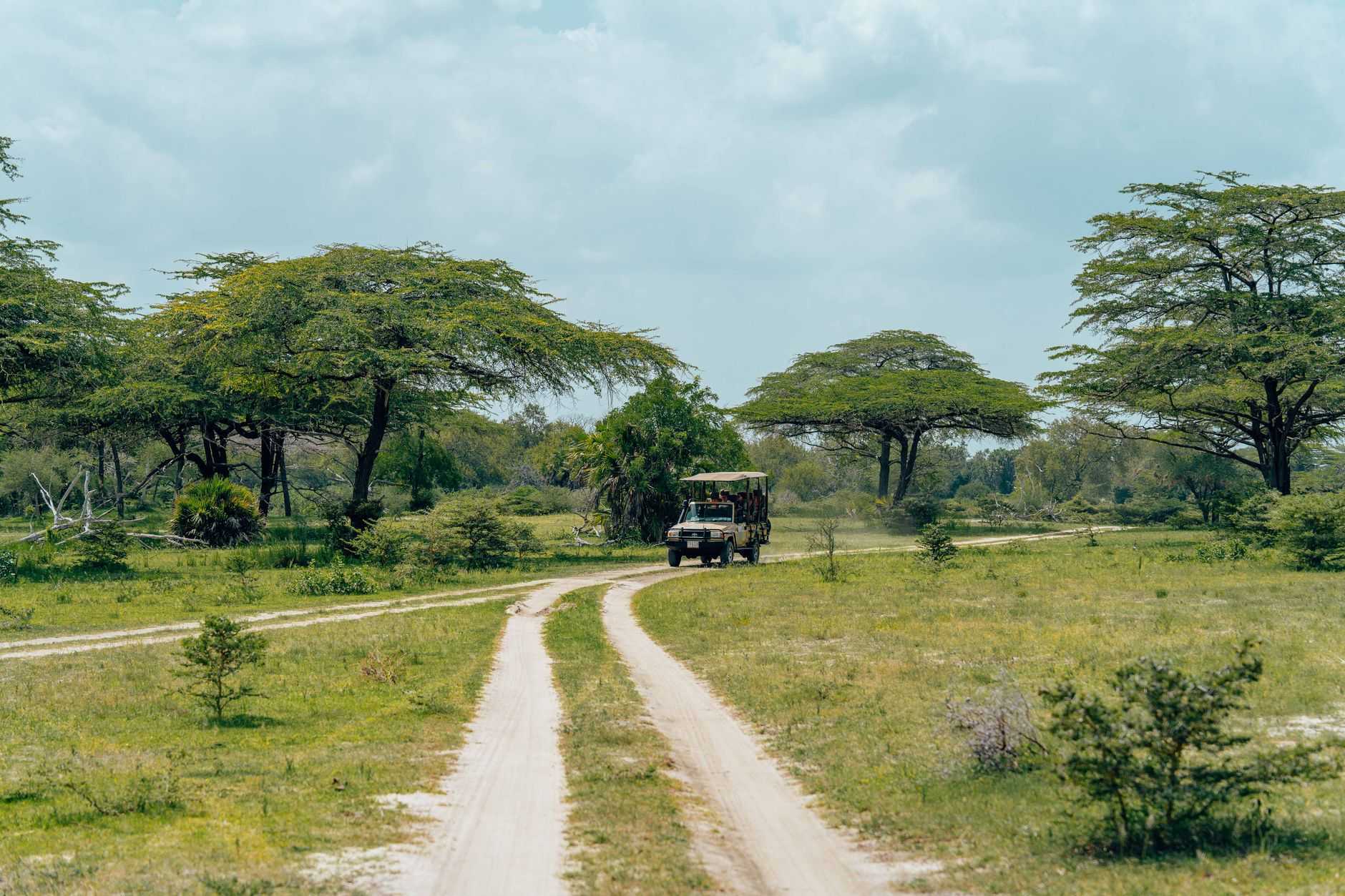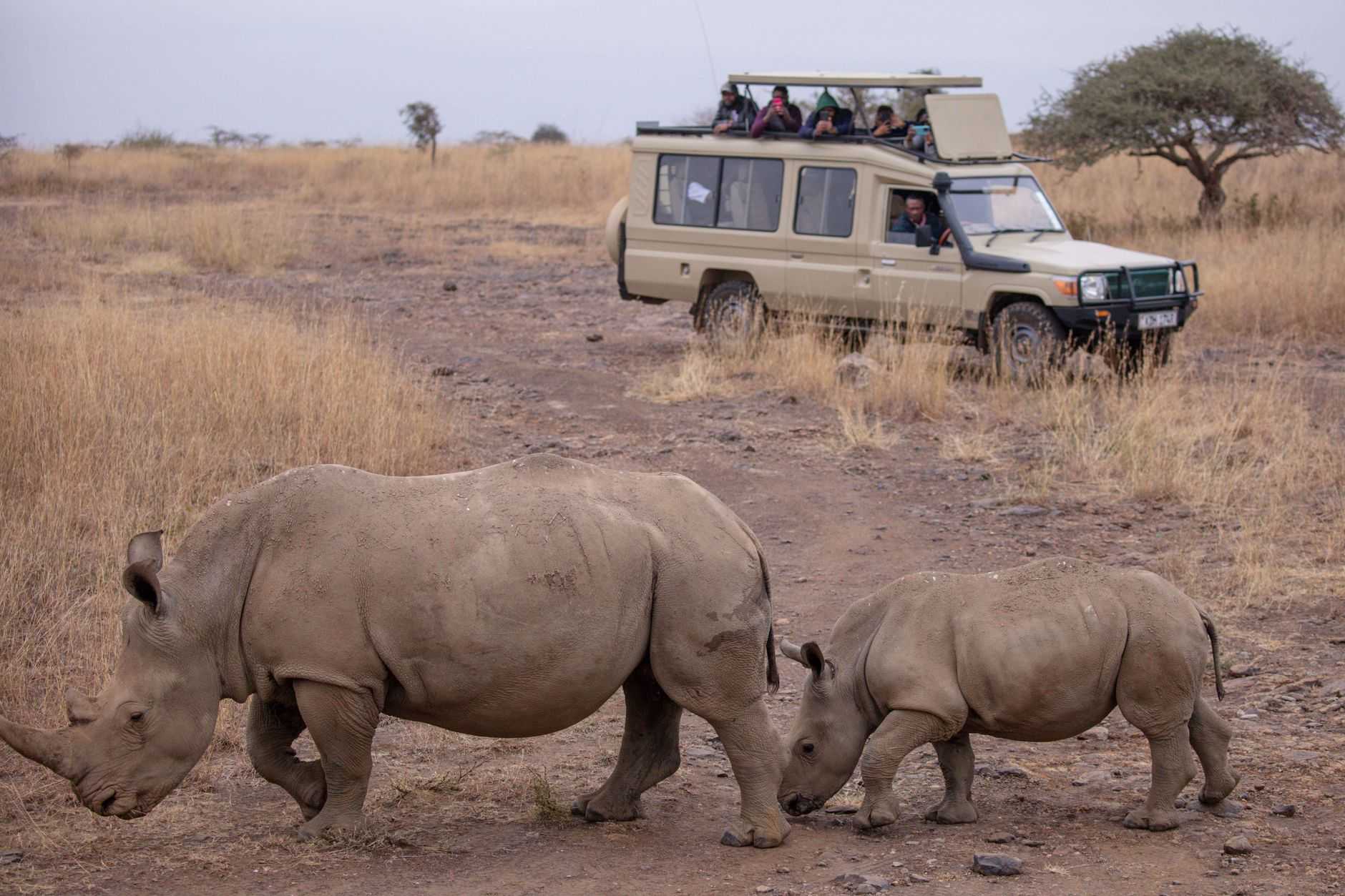

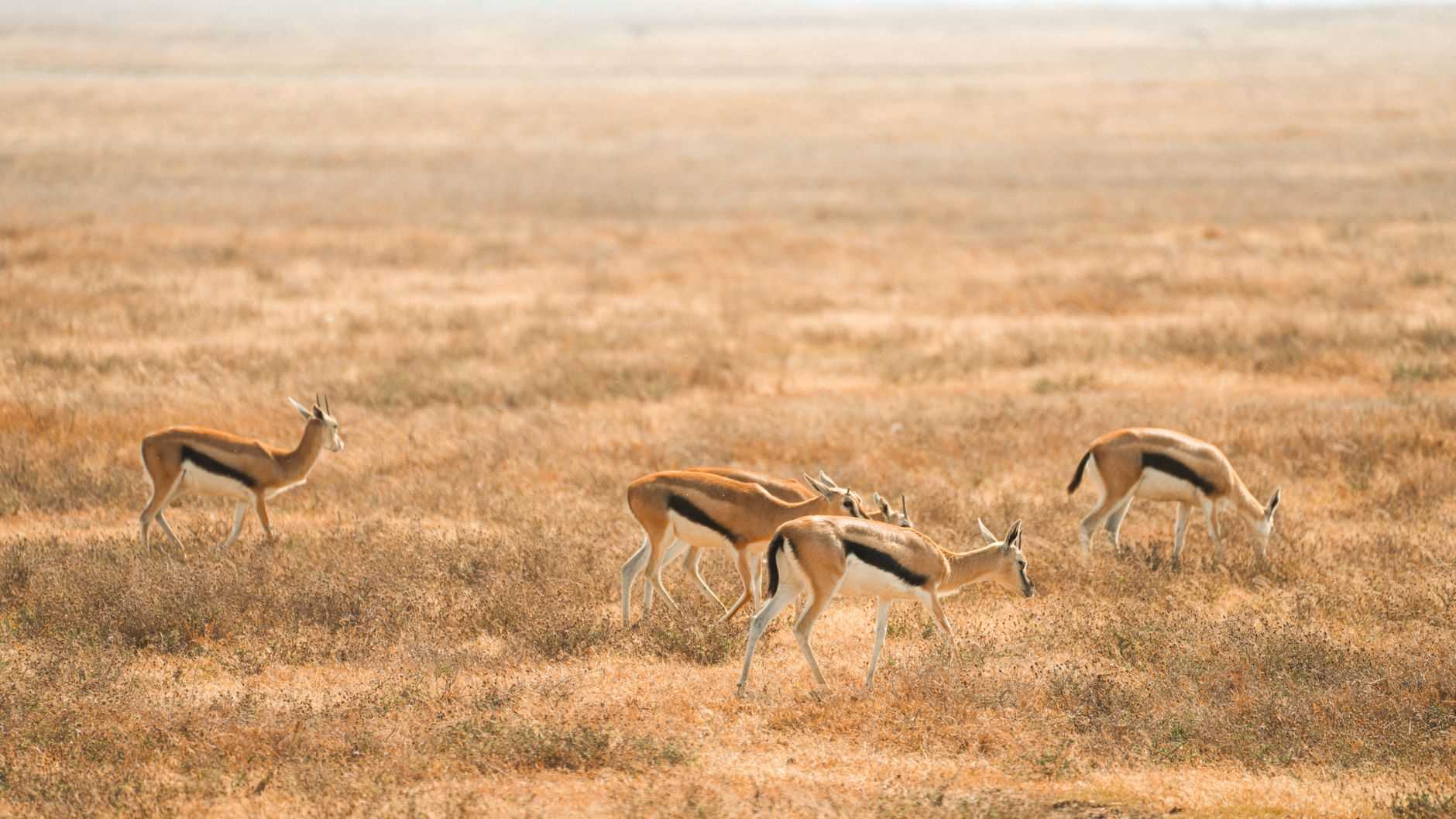
Preparing for a safari in Tanzania is a thrilling endeavor that combines the excitement of exploring diverse wildlife with the opportunity to immerse oneself in rich cultural traditions. However, to truly enjoy the magic of Tanzania’s iconic landscapes and wildlife, proper planning is vital. Knowing what to pack and when to visit each safari destination can transform your adventure from good to unforgettable. Whether you’re venturing into the Serengeti’s vast plains or unwinding on Zanzibar’s pristine beaches, expert seasonal insights paired with culturally respectful packing advice are essential for a smooth and enriching experience.
Understanding Tanzania’s Diverse Safari Seasons
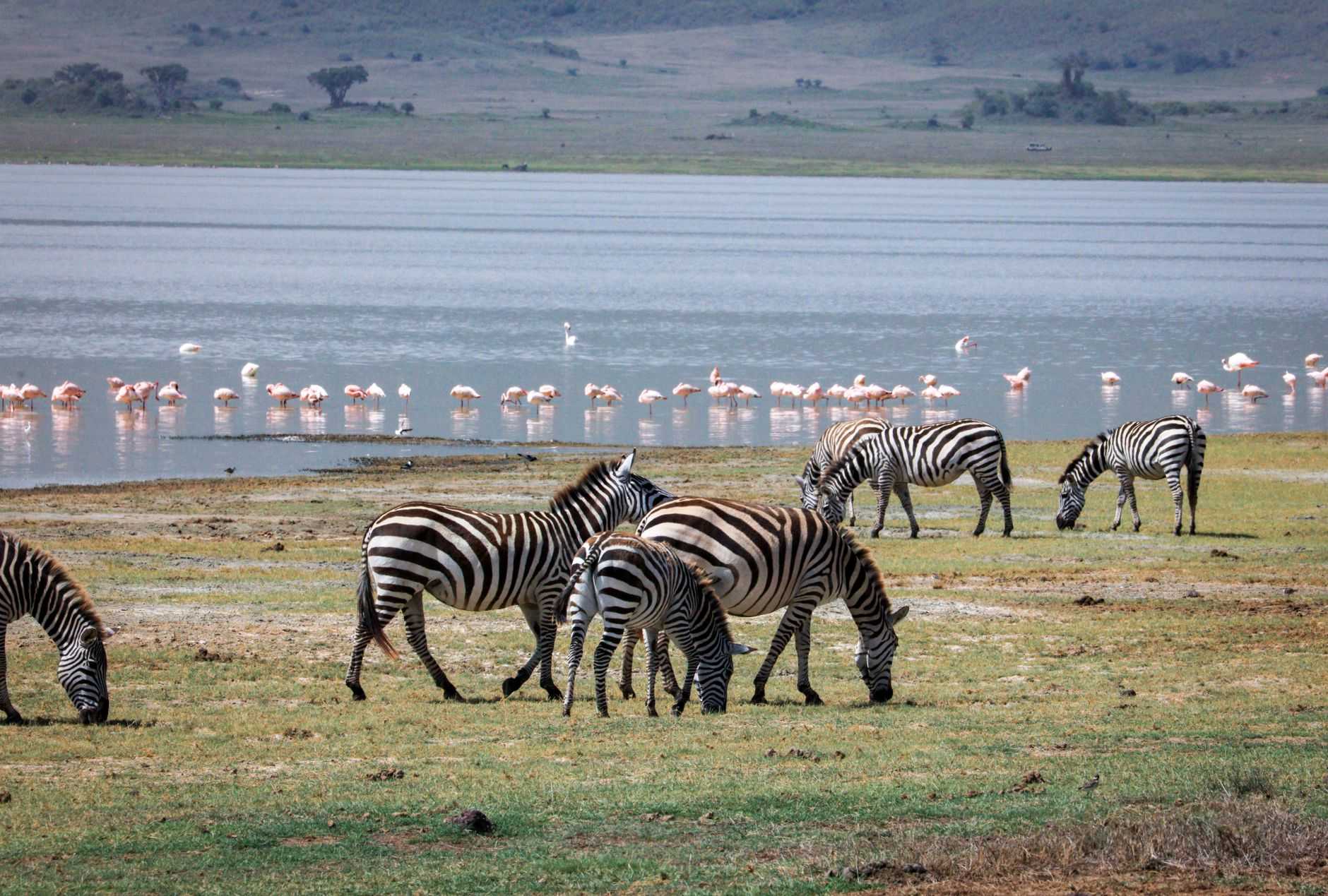
Tanzania’s safari destinations, including Serengeti National Park, Ngorongoro Crater, Tarangire, and Lake Manyara, experience distinct seasonal changes that impact wildlife behavior, weather conditions, and travel comfort. The dry season, typically from late June to October, is considered the prime time for game viewing. This period coincides with the Great Migration in the Serengeti, when vast herds of wildebeest and zebra traverse the plains, offering unmatched wildlife spectacles. Dry, cooler days also mean animals gather around water sources like Ngorongoro Crater, making sightings more predictable.
Conversely, the wet season – divided into the “short rains” in November-December and the “long rains” from March to May – brings lush greenery and fewer tourists. While wildlife may be more dispersed during rains, this season unveils exceptional birdlife around Lake Manyara and Tarangire and a vibrant landscape ideal for photography. Zanzibar’s climate remains warm year-round, but travelers may prefer visiting outside the peak rainy months for more sun-filled beach holidays after the safari.
Expert Packing Recommendations for Seasonal Comfort and Activity
Given these seasonal differences, your packing list should be tailored to the time and place of your safari. During the dry season, lightweight, breathable clothing in neutral tones works best to keep you cool and avoid disturbing wildlife. Early mornings and evenings can be chilly, so layering with a warm fleece or jacket is recommended, especially for balloon safaris over the Serengeti. A wide-brimmed hat, sunglasses, and high-SPF sunscreen are must-haves to protect from intense sun exposure during game drives.
In the rainy season, waterproof outerwear and quick-drying garments become essential to stay comfortable during occasional downpours and muddy terrain. Sturdy, closed-toe walking shoes with good grip will support walking safaris and cultural tours, which may involve uneven or wet ground. Carrying a lightweight daypack with rain covers helps safeguard camera equipment and personal items. For all seasons, insect repellent is critical to guard against mosquitoes, aligning with Tanzania’s health safety guidelines, which also recommend timely vaccinations and malaria prophylaxis based on your itinerary.
Respectful Clothing Choices for Cultural Sensitivity
Tanzania is home to over 120 ethnic groups, each with distinct traditions, many of which you may encounter during community visits arranged by Wabike & Deen Safaris through the Kasulu Foundation. Dressing modestly and respectfully is paramount to show appreciation and avoid unintentional offense. Loose-fitting clothing that covers shoulders and knees is advisable, especially when visiting villages or markets. Bright, flashy attire is best avoided to maintain harmony with local customs. This respect extends to safari clothing colors, where earthy hues like khaki, olive, and beige blend with the environment and are less likely to startle animals, contributing to a more authentic wildlife experience.
Travel Gear and Technology Essentials for Every Traveler
Safari travelers increasingly bring tech gear to capture their memories and stay connected, but choosing the right items is important. A good-quality DSLR or mirrorless camera with zoom lenses can reveal the nuances of wildlife behavior from a safe distance. For those less experienced with photography, smartphones with advanced cameras benefit from portable power banks and waterproof cases. Binoculars are crucial, especially for walking safaris or birdwatching at Lake Manyara. Don’t forget durable, reusable water bottles to stay hydrated in Tanzania’s sometimes high temperatures.
Consider the type of safari when packing: hot air balloon rides require windproof jackets and layered clothing due to colder altitudes, whereas Zanzibar beach excursions call for comfortable swimwear, sun hats, and lightweight cover-ups respectful to local modesty standards. Packing cubes and compression bags are useful for organizing gear and managing baggage limits, aligning with airline regulations.
Health, Safety, and Budgeting Tips for a Confident Departure
Health safety cannot be overstated when preparing for Tanzanian safaris. Consult with your healthcare provider ahead of travel for recommended vaccinations such as Yellow Fever and updates on malaria prevention protocols endorsed by the WHO and Tanzanian Ministry of Health. Carry a basic medical kit including antiseptics, antihistamines, and any personal prescription needs. Sun protection—broad-spectrum sunscreen, lip balm with SPF, and after-sun lotion—and insect repellents containing DEET will support your wellbeing across all environments.
Budget-conscious travelers should prioritize versatile and multi-functional items to reduce excess baggage fees while ensuring comfort and safety. Renting specialized photography gear locally or buying essentials on arrival can also be practical. Investing in travel insurance and booking with trusted agencies like Wabike & Deen Safaris, offering protection through STO Garant, increases confidence, especially for longer or customized safari itineraries.
Planning Your Trip: When to Visit and How to Prepare
Selecting your travel dates around Tanzania’s seasonal dynamics ensures access to preferred wildlife phenomena and cultural events. July to October remains a top recommendation for families and solo travelers seeking the Serengeti migration and optimal trekking conditions. Those seeking fewer crowds and a vivid, flourishing landscape may find the short rains in November and December appealing, paired with lower travel costs. Zanzibar is ideal between June and October or January to February for those combining beach holidays with safaris.
Early preparation with a comprehensive safari travel checklist is invaluable. This includes visa acquisition, local currency arrangements, and health documentation, alongside packing well-suited gear. Leveraging Wabike & Deen Safaris’ expert guidance and personalized travel proposals helps align your choices with your comfort, budget, and interests while fostering meaningful community interactions.
Conclusion
Embarking on a Tanzanian safari is as much about thoughtful preparation as it is about the thrill of discovery. Understanding the seasonal rhythms of Tanzania’s premier safari destinations empowers you to choose the best times to witness extraordinary wildlife and enjoy diverse activities comfortably. Coupling this with informed, culturally respectful packing tailored to your safari style ensures safety, health, and deepened cultural respect. By engaging with knowledgeable local experts and using comprehensive travel resources, your journey will be not just an adventure, but a cherished story of authentic connection with Tanzania’s natural and cultural treasures.