
Ethical Cultural Tours in Tanzania: Authentic Community Connections and Social Impact with Wabike & Deen Safaris
Exploring Tanzania through ethical cultural tours offers a profound journey beyond the landscapes and wildlife typically associated with African safaris. Wabike & Deen Safaris invites travelers to experience authentic cultural immersion that honors the dignity and traditions of Tanzanian communities, fostering meaningful connections that uplift local people while enriching your safari adventure. These tours emphasize respect, social impact, and sustainability, ensuring that interactions with Tanzania’s diverse ethnic groups are both genuine and mutually beneficial.
Authentic Cultural Experiences Rooted in Respect
Wabike & Deen Safaris specializes in personalized cultural and community tours that go beyond surface-level encounters. Guided by local experts, travelers have the opportunity to engage intimately with Tanzania’s rich tapestry of tribes such as the Maasai, Hadzabe, and Chaga, witnessing traditional ceremonies, crafts, and ways of life. These experiences are carefully designed to avoid common tourist traps, instead fostering genuine exchanges where visitors learn about customs, beliefs, and languages in a manner that honors local perspectives.
Local guides play a vital role in bridging cultures, sharing stories passed down through generations and offering insights that bring greater understanding and empathy. Their deep-rooted knowledge helps travelers appreciate the cultural significance behind each tradition and promotes ethical interaction, ensuring tourists approach visits with sensitivity and curiosity rather than voyeurism.
The Heart of Ethical Tourism: Supporting Communities through Partnership
Central to Wabike & Deen Safaris’ cultural tours is a steadfast commitment to ethical tourism principles. This commitment is exemplified through close collaboration with the Kasulu Foundation Tanzania—a community development organization dedicated to improving education, health, and sustainable livelihoods. Tours often include visits to Kasulu-supported projects, such as schools, women’s cooperatives, and environmental initiatives.
By integrating these social impact elements, Wabike & Deen Safaris ensures that the economic benefits of tourism flow directly into local communities. This approach empowers residents to preserve their cultural heritage on their own terms while providing visitors with a tangible sense of contribution and connection. Such partnerships are transparently communicated, helping travelers understand exactly how their visits create positive change.
Responsible Travel Guidelines for Meaningful Engagement
Travelers embarking on cultural tours with Wabike & Deen Safaris receive practical guidance to ensure their participation respects community norms and individual privacy. Key principles include asking permission before photographing, dressing modestly according to local customs, and refraining from giving money to individuals in ways that might create dependency or disrupt social dynamics. These guidelines are conveyed in a warm, informative manner that prepares guests for authentic, respectful interactions.
Moreover, tours emphasize participatory experiences rather than passive observation. Visitors might join traditional dances, cook local dishes, or assist with community gardening projects, all under the careful supervision of local hosts. Such activities promote mutual understanding and avoid the pitfalls of exploitative “photo opportunities,” reinforcing tourism’s role as a force for empowerment.
Enhancing the Tanzanian Safari Journey with Cultural Depth
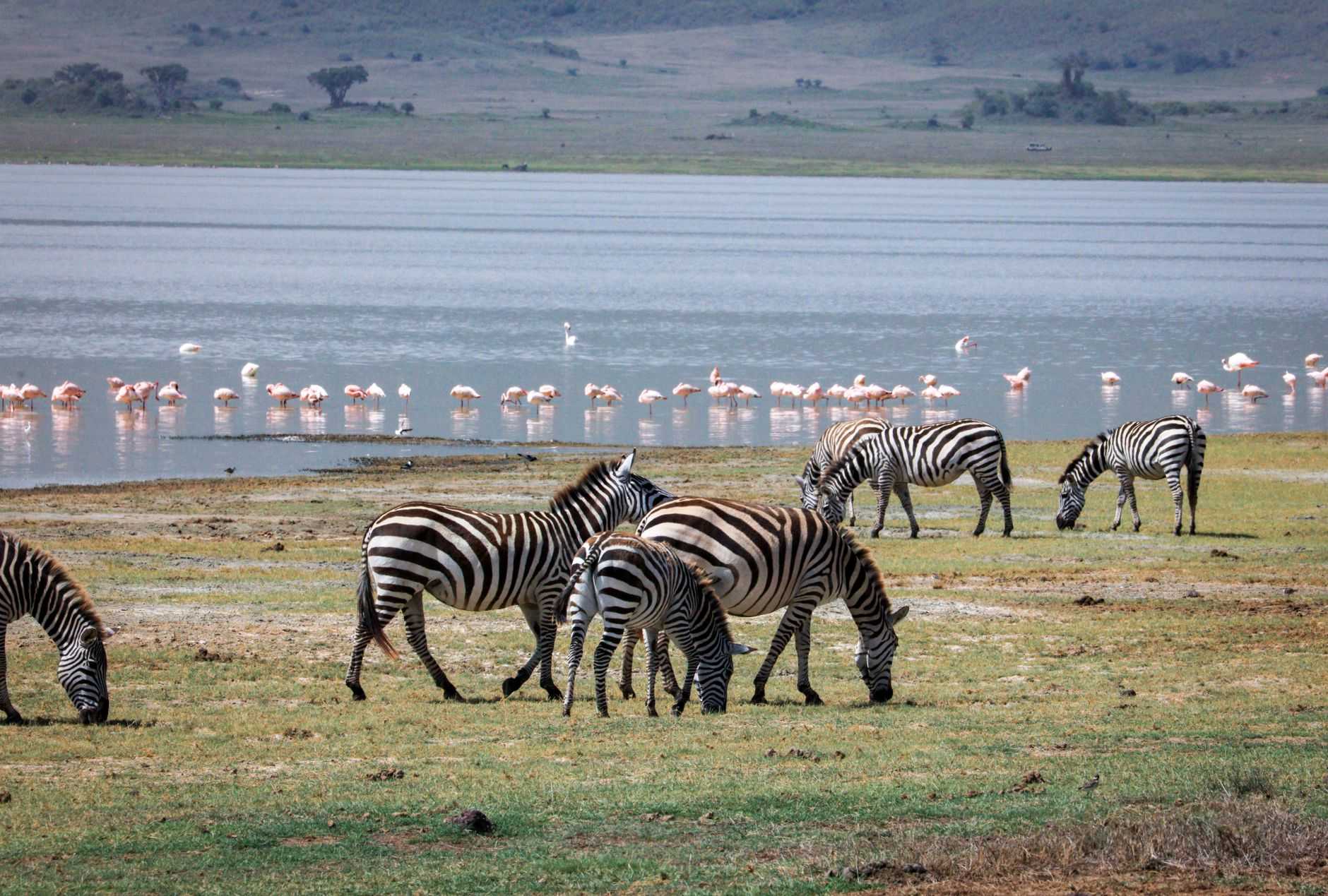
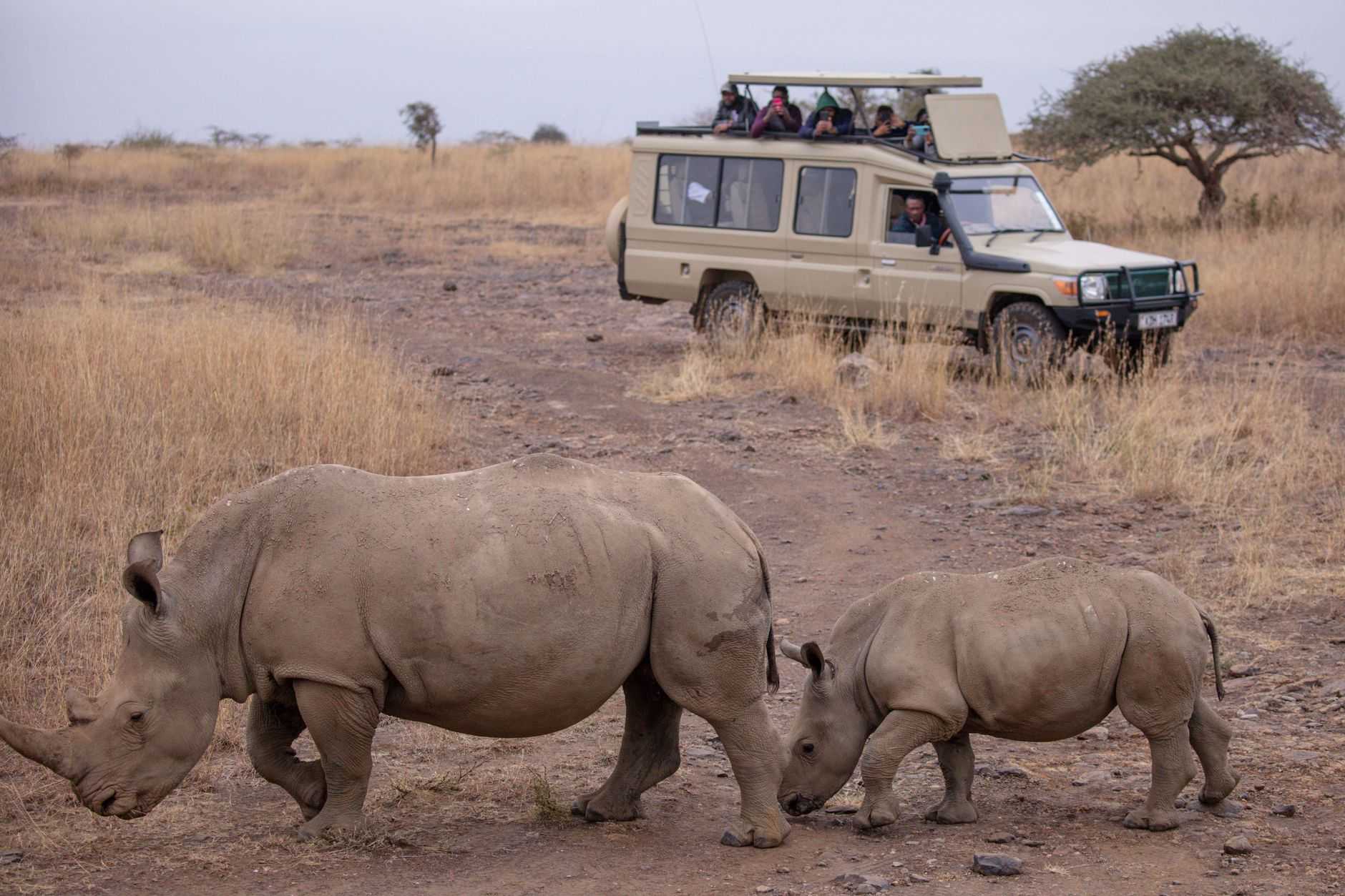
One of the unique strengths of Wabike & Deen Safaris is its seamless integration of cultural tours with classic wildlife safaris, creating an enriched and holistic Tanzanian adventure. For example, after exploring the Serengeti’s iconic landscapes and watching the great migration, travelers may visit nearby Maasai villages to gain insight into the community that shares this ecosystem. Similarly, a day spent on walking safaris in Lake Manyara can be complemented by visits to local artisans and storytellers.
This balanced itinerary ensures travelers do not merely witness Tanzania’s natural beauty but also understand the human stories intertwined with the land. The result is a deeper connection to the destination that informs and inspires conservation-minded travel and lifelong appreciation of cultural diversity.
Safety, Authenticity, and Lasting Impact
Wabike & Deen Safaris prioritizes traveler safety alongside authentic, positive community impact. Local guides are expertly trained not only in navigation and wildlife knowledge but also in intercultural communication and responsible tourism ethics. This professionalism reassures guests that their engagement is respectful, safe, and meaningful. The agency’s transparent approach to ethical tourism policies fosters trust and confidence for all participants.
Beyond the trip itself, the ripple effects of these cultural tours extend into lasting community relationships and ongoing social projects supported by the agency and its partners. Choosing Wabike & Deen Safaris means supporting a model of tourism that balances adventure with awareness, contributing to Tanzania’s vibrant cultures and future prosperity.
Conclusion: Embrace Ethical Cultural Tours for a Transformative Tanzanian Safari
Choosing an ethical cultural tour with Wabike & Deen Safaris opens doors to authentic experiences that celebrate Tanzania’s rich tribal heritage while advancing sustainable community development. These tours invite travelers to engage with local people in respectful, enriching ways—leaving both visitors and hosts transformed. By prioritizing social impact partnerships like those with the Kasulu Foundation and following responsible tourism guidelines, Wabike & Deen Safaris redefines what it means to explore Tanzania, offering a safari that truly connects you to the heart of this extraordinary country.