Engaging with Tanzania’s rich cultural heritage through community tours offers travelers a unique window into the lives of local tribes while fostering meaningful connections. However, delivering authentic cultural experiences that genuinely benefit Tanzanian communities presents a range of challenges. From avoiding superficial tourist encounters to ensuring ethical and sustainable support for local residents, Wabike & Deen Safaris, in partnership with the Kasulu Foundation, has developed thoughtful strategies to overcome these challenges. Their approach highlights how social impact tourism can create enriching experiences for travelers while empowering indigenous communities in Tanzania.
Challenges in Offering Authentic Cultural Tours in Tanzania
Many travelers seek immersive cultural tours to learn about Tanzania’s diverse tribes and traditions, yet this goal often clashes with realities on the ground. One common issue is the prevalence of “tourist trap” experiences where visitor interactions with communities can feel staged or performative, reducing cultural engagement to mere spectacle. Such encounters often fail to provide direct economic or social benefits to the local people, resulting in frustration on both sides. Additionally, language barriers, logistical complications, and a lack of transparent community involvement make it difficult for travelers to access genuinely respectful and rewarding cultural interactions. Addressing these challenges requires a tour operator deeply connected with local communities and committed to ethical tourism practices.
Wabike & Deen Safaris’ Ethical Approach through Community Partnership
Wabike & Deen Safaris embraces a personalized approach that centers respect, transparency, and collaboration with Tanzanian communities. Their partnership with the Kasulu Foundation is key to this mission. The Kasulu Foundation works directly with local villages around key safari destinations to support education, healthcare, and sustainable livelihoods. By embedding community visits within safari itineraries and ensuring that a portion of tour proceeds contribute to local development, Wabike & Deen Safaris bridges tourism with social impact. This transparent model helps travelers understand how their participation benefits the communities they visit, creating a genuine exchange rather than a one-sided tourist spectacle.
Empowering Local Communities through Social Impact Tourism
Social impact tourism, as practiced by Wabike & Deen Safaris and Kasulu Foundation, empowers communities by providing them with the resources and agency to protect and share their cultural heritage on their own terms. Community members actively participate in shaping the visitor experience, from guiding tours to showcasing traditional crafts and ceremonies. This involvement ensures that tourism respects cultural integrity and directly supports local income generation. Additionally, funds raised through tours help improve infrastructure, education, and healthcare services, reinforcing the long-term sustainability of these communities. Travelers who engage in such socially responsible tours walk away with deeper understanding and a lasting positive footprint.
The Traveler’s Role in Supporting Ethical Community Tours
Travelers have a crucial role in sustaining ethical cultural tourism by choosing operators committed to respectful practices like Wabike & Deen Safaris. Informing oneself about the communities visited and the projects supported is essential to foster genuine connections. Travelers benefit from personalized guides who emphasize cultural context and encourage interaction that honors local customs. Moreover, participating in workshops, cultural activities, and community-led initiatives enriches the experience while ensuring that economic benefits flow fairly to residents. Ethical tourism choices contribute to preserving Tanzania’s rich cultural tapestry and promoting sustainable development in rural areas.
Examples of Meaningful Cultural Immersion and Projects
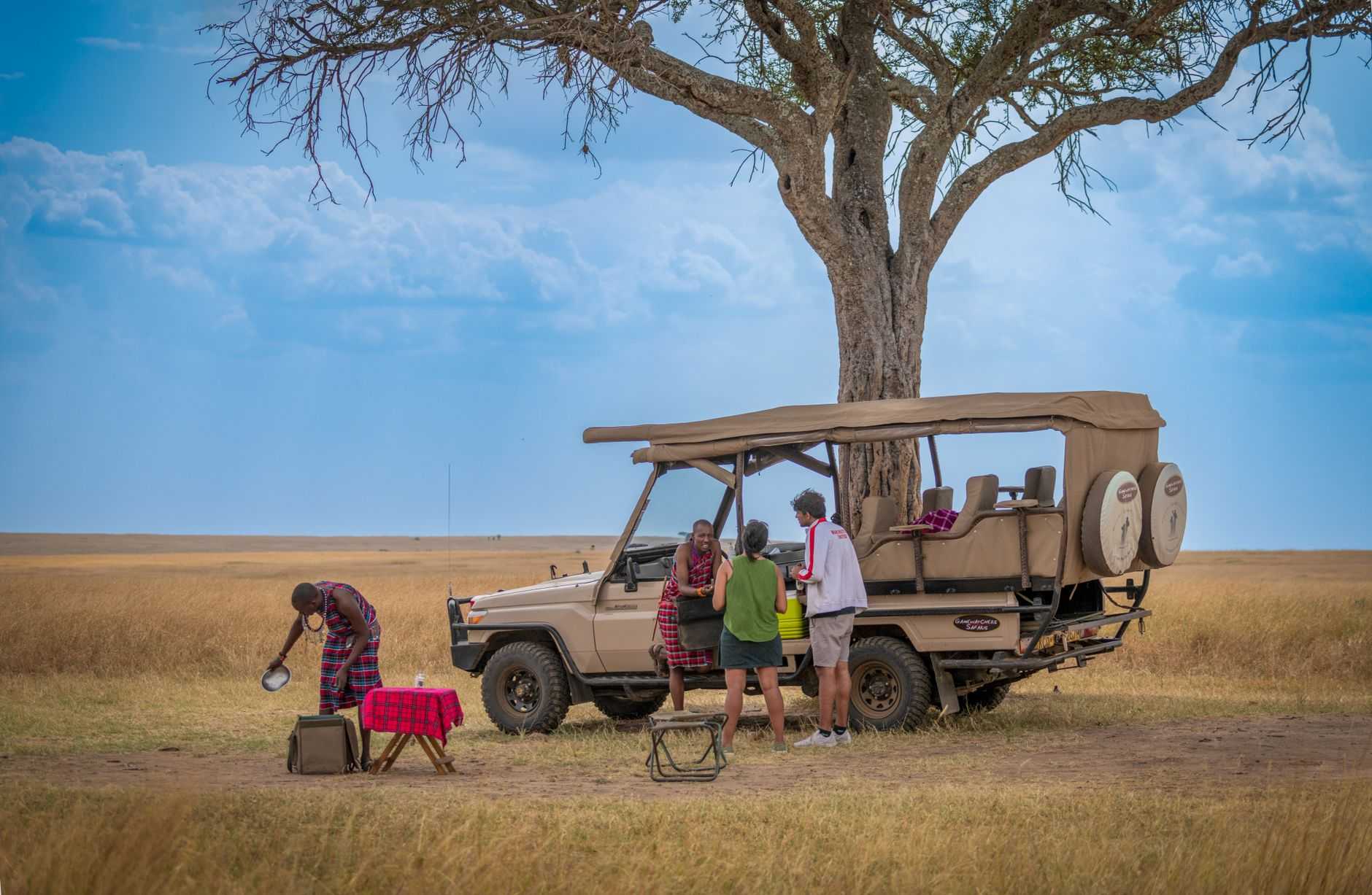
Within the framework of their community tours, Wabike & Deen Safaris offers experiences such as visits to Maasai villages, where travelers learn about age-old traditions, beadwork, and pastoral lifestyles, all guided by knowledgeable local hosts. In collaboration with Kasulu Foundation, tours also include visits to schools and health clinics supported through tourism revenues, showcasing tangible community improvements. These encounters are carefully designed to avoid intrusion and ensure that visitors leave a positive impression. By integrating cultural immersion with social impact, Wabike & Deen Safaris creates a balanced safari experience that celebrates Tanzania’s heritage while advancing community well-being.
Combining Cultural Tours with the Broader Tanzanian Safari Experience
Wabike & Deen Safaris expertly blends cultural and community visits with classic wildlife safaris and other activities like walking safaris and hot air balloon rides. This holistic approach allows travelers to appreciate Tanzania’s natural wonders alongside its vibrant cultures, creating a multifaceted journey. Respect for local communities is interwoven with sustainable travel practices, ensuring that all parts of the trip contribute to a greater understanding and protection of the country’s heritage and environment. By booking through trusted providers with transparent social impact policies, travelers can embark on meaningful safaris that delight the senses and uplift the people they encounter.
Conclusion: A Responsible Path to Cultural Connection
Authentic cultural tours in Tanzania face challenges that require careful navigation to avoid superficiality and ensure fair community benefit. Wabike & Deen Safaris, in partnership with the Kasulu Foundation, exemplifies how ethical tourism can overcome these obstacles by fostering transparent, respectful, and empowering community involvement. For culturally curious and socially conscious travelers, choosing such tours offers a rare opportunity to connect deeply with Tanzanian cultures while leaving a positive legacy. Through this responsible path, every journey becomes not just an adventure but a force for sustainable cultural preservation and local prosperity.