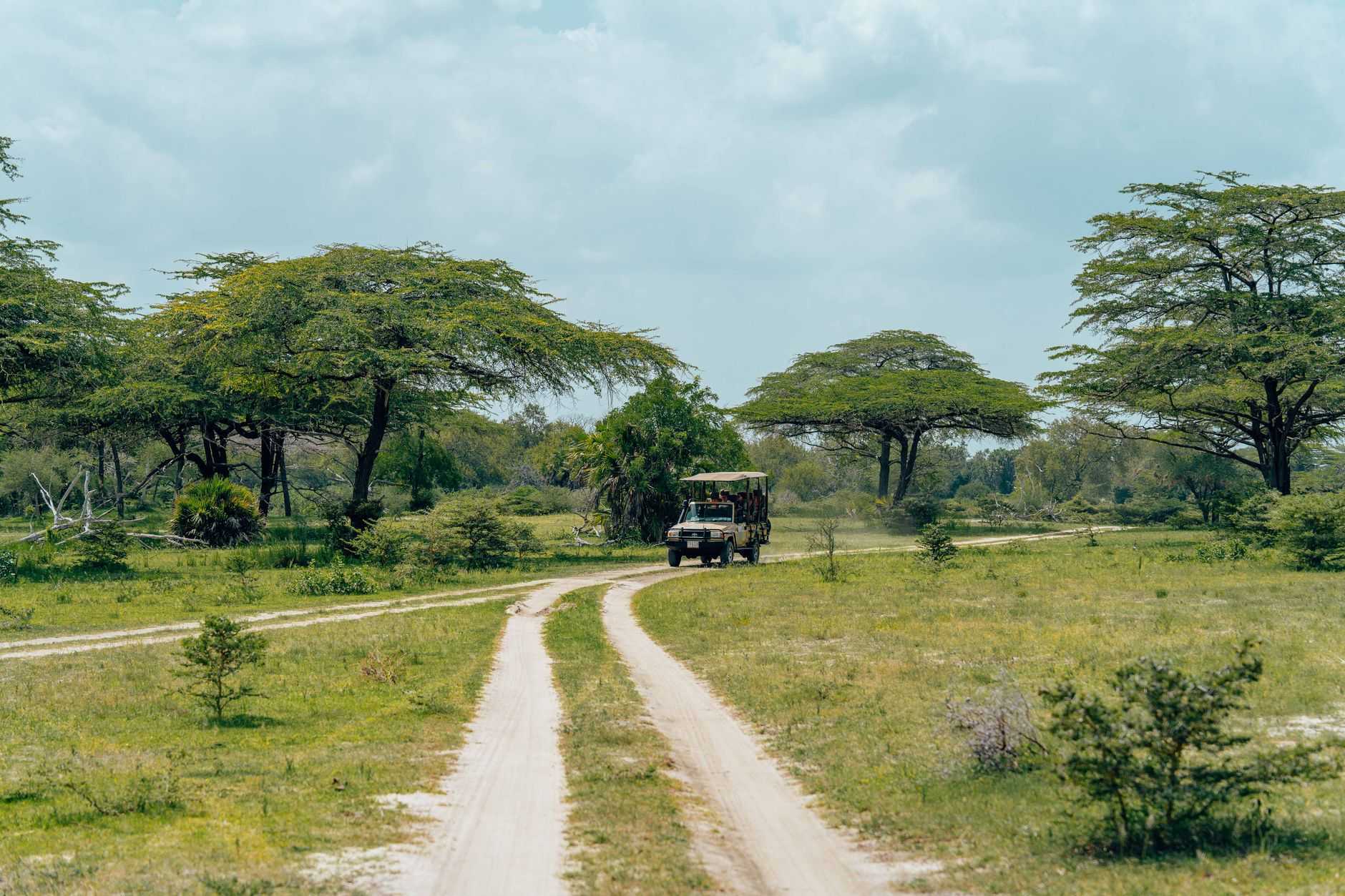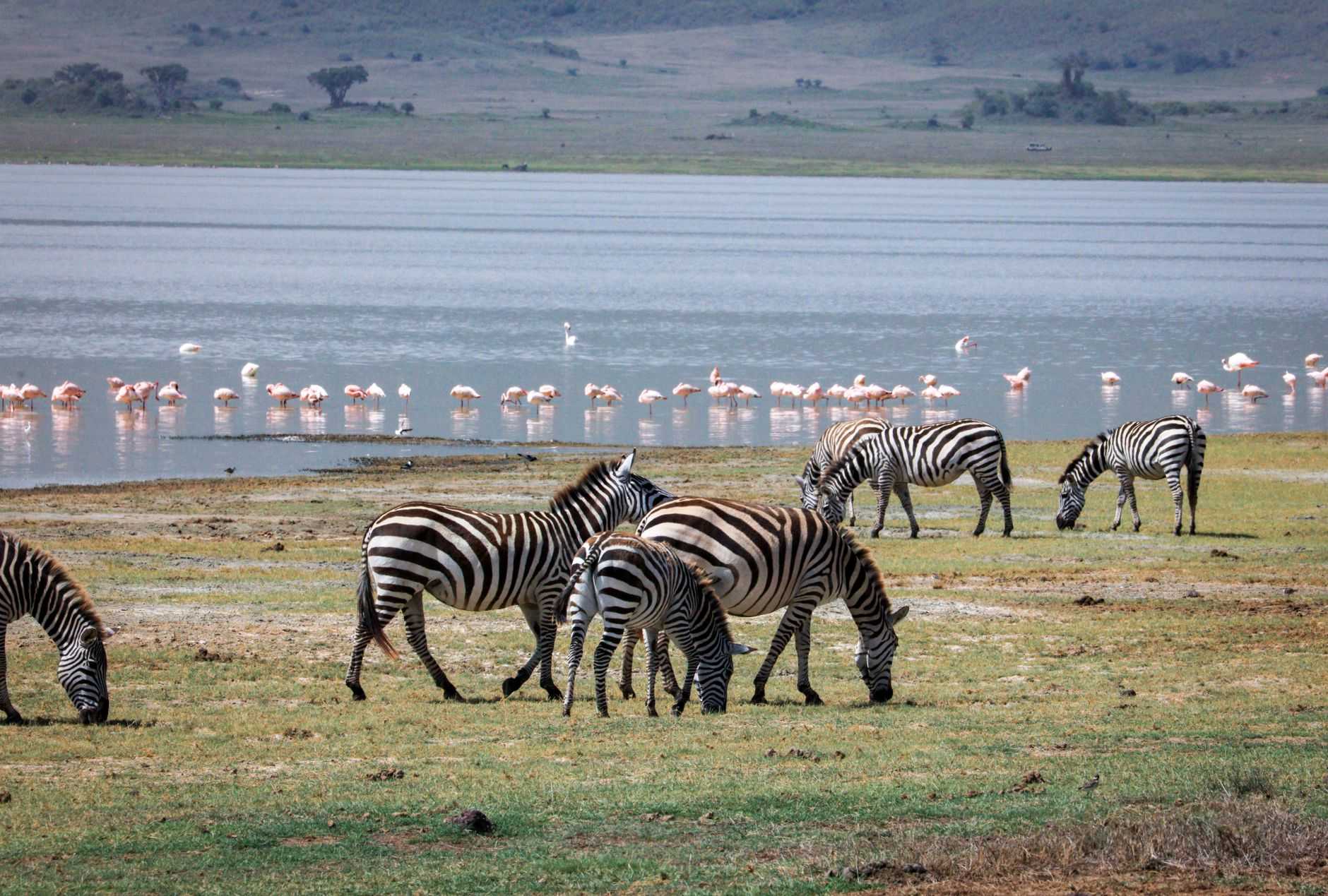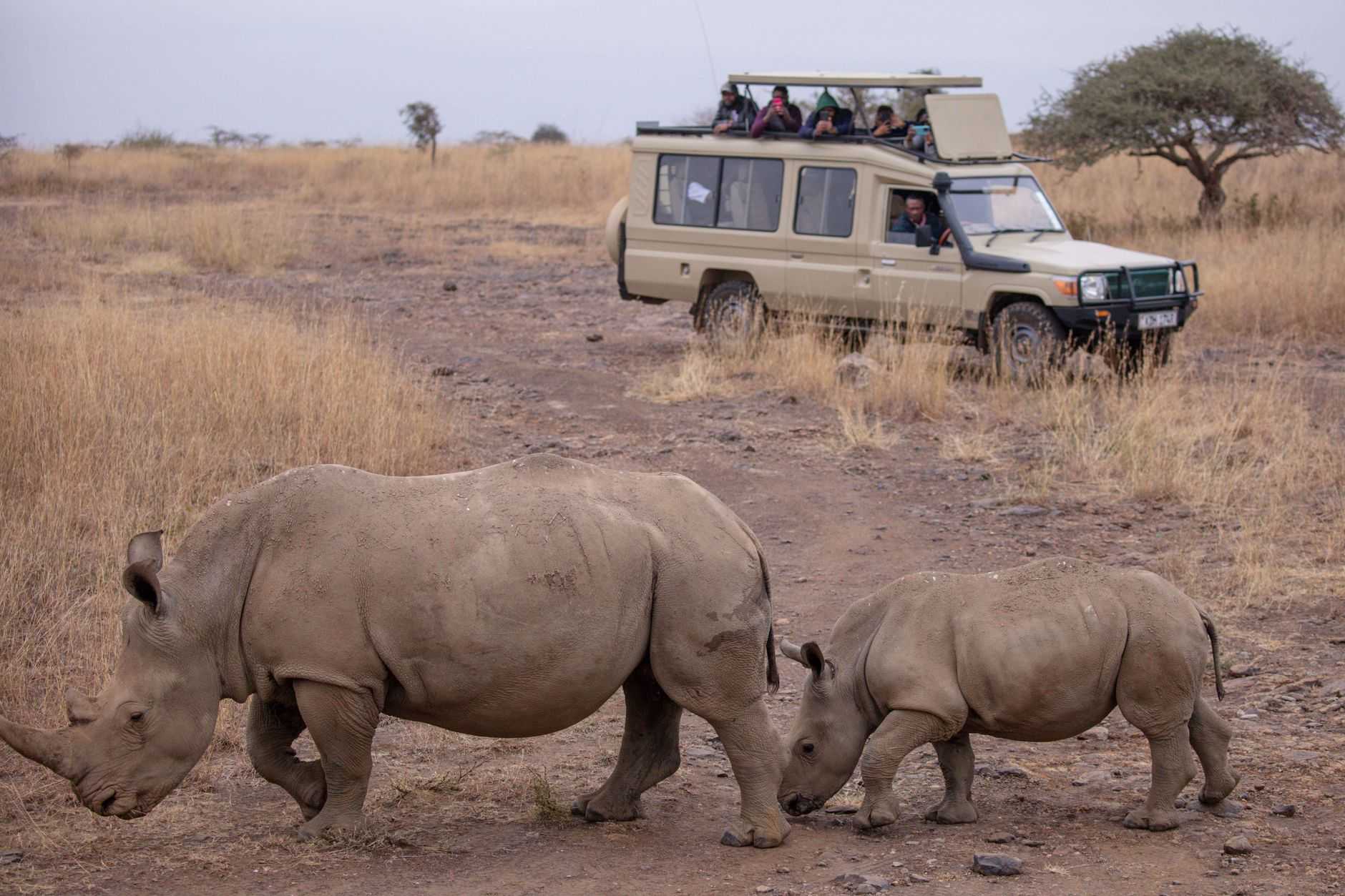

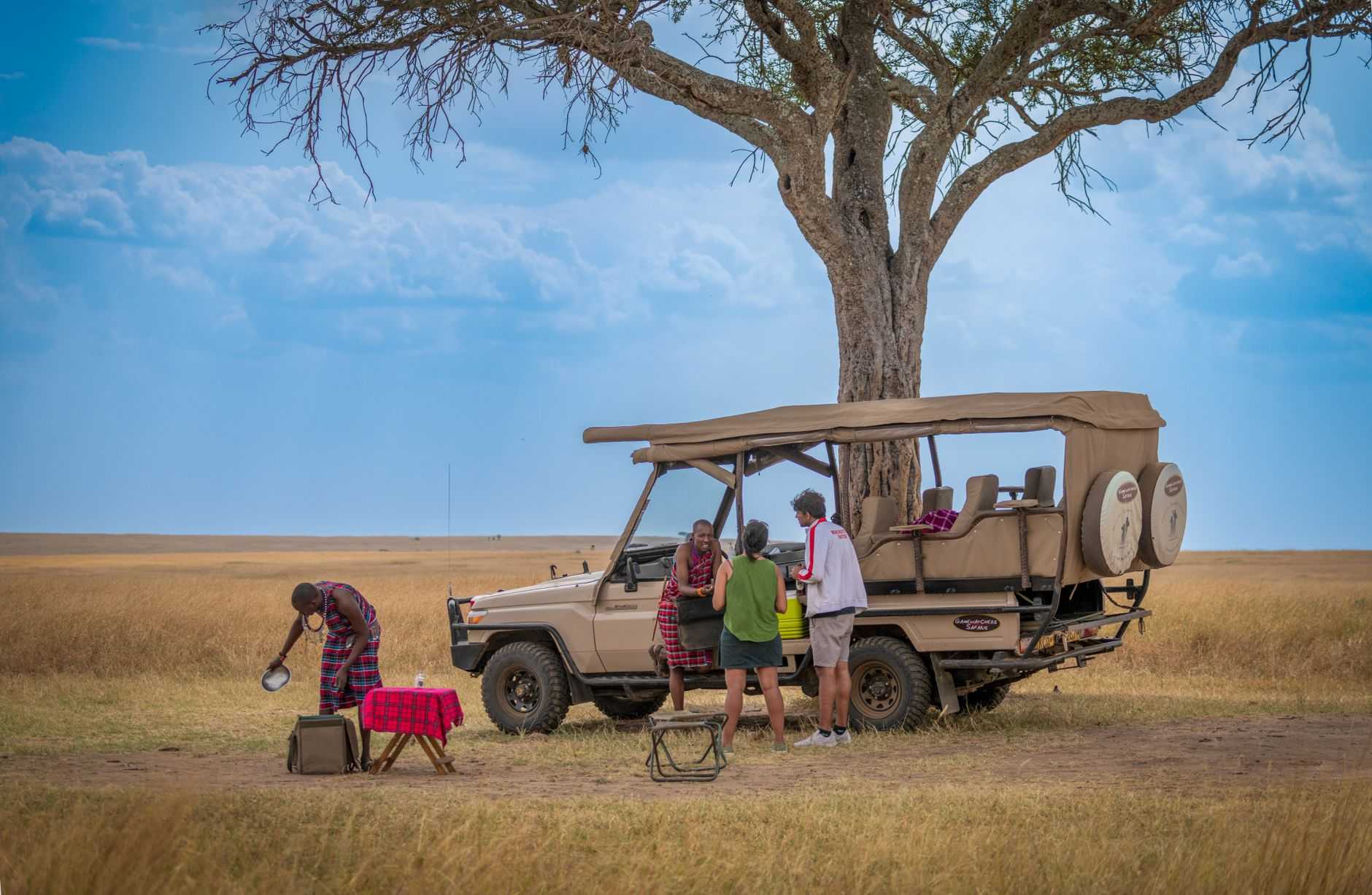
Preparing for a Tanzanian safari promises excitement and discovery, but packing smartly is key to fully enjoying your adventure. Whether you’re embarking on a classic game drive through the Serengeti, experiencing a walking safari near Tarangire, or unwinding on Zanzibar’s pristine beaches, having the right gear, clothing, and cultural awareness enhances comfort, safety, and authenticity. This guide provides practical, culturally respectful packing tips tailored to Tanzania’s diverse landscapes, seasonal weather, and varied activities, ensuring every traveler feels confident and ready.
Clothing Essentials for Varied Safari Experiences
Tanzania’s safari environment varies from warm days to cool mornings and evenings, especially in highland regions like the Ngorongoro Crater. Packing layers is essential. Lightweight, breathable fabrics in neutral colors—such as khaki, olive green, or brown—help you blend into the surroundings without disturbing wildlife or attracting unwanted attention from insects. Long-sleeved shirts and trousers protect against sunburn, thorny bushes, and mosquitoes, vital during walking safaris or sundown game drives. A wide-brimmed hat and a lightweight scarf or buff provide necessary sun protection.
For cooler early mornings or balloon rides over the Serengeti, bring a warm fleece or insulated jacket. Comfortable, sturdy closed-toe shoes or hiking boots suit both game drives and nature walks. If your itinerary includes evenings in towns or cultural visits, modest clothing that respects local customs is recommended—avoid shorts or tank tops and opt for outfits that cover shoulders and knees to honor Tanzanian cultural etiquette.
Essential Gear and Health Supplies
Successful safari packing goes beyond clothing. Equip yourself with high-quality sunblock (SPF 30+), insect repellent containing DEET, and a reusable water bottle to stay hydrated. A pair of polarized sunglasses shields your eyes from glare during daytime drives, while a good headlamp or flashlight will be useful in lodges or camps with limited lighting at night. Travel health items are crucial, including a basic first aid kit, anti-malarial medication (as advised by your healthcare provider), and any personal prescriptions. Carry copies of important documents such as passports, visas, travel insurance, and vaccination records securely.
Photographers should bring cameras with extra batteries and memory cards, plus binoculars for unobtrusive wildlife viewing. Consider a dry bag to protect electronics and paperwork, especially in Zanzibar’s coastal humidity or during boat trips. Packing light but with multi-purpose items preserves space and makes for easier handling on bush planes or rugged roads.
Adapting to Tanzania’s Climate and Seasons
Tanzania’s climate shifts between dry and wet seasons, influencing packing needs. The dry season (June to October) is the prime safari period, characterized by cooler temperatures and dusty conditions. During this time, dust-proof clothing and a lightweight scarf can help protect against the elements. Conversely, the rainy seasons (March to May and November to December) bring lush landscapes but also increased humidity and muddy terrain. Waterproof jackets, quick-drying clothes, and waterproof footwear become essential.
Travelers heading to Zanzibar should include swimwear, beachwear, and coral-safe sunscreen for marine activities, while also packing modest clothes suitable for visiting local villages and markets to demonstrate cultural respect. Understanding these seasonal nuances allows you to tailor your packing for optimal comfort and enjoyment across Tanzania’s varied destinations.
Packing Tips for Specific Safari Activities
Different safari formats call for specialized gear. When embarking on walking safaris, sturdy ankle support and gaiters help navigate rough terrain and protect against insects. Hot air balloon safaris over the Serengeti, usually conducted in the cool early morning, require warmer layers and non-slip shoes. For game drives, neutral colors and comfortable seating gear, including a lightweight backpack or daypack for cameras and water, support a smooth excursion.
If your journey includes cultural tours or visits to local communities, bring small gifts or donations as appropriate, and ensure your camera use is discreet and politely requested. Carrying a language phrasebook or guide aids engagement and shows respect for hosts. This thoughtful preparation highlights your sensitivity to cultural norms and enriches your overall travel experience.
Family and Group Safari Packing Considerations
Traveling with family or in groups adds special packing needs. For families, packing snacks, sunscreen suitable for children, hats, and insect repellent formulated for young skin is imperative. Bringing a small travel game or entertainment ensures children remain engaged during downtime. For groups, coordinating shared equipment like binoculars or first aid kits can reduce individual luggage and streamline logistics.
Consider the accommodation type in your packing strategy—tented camps may require warmer night garments and flashlights, while lodges offer more amenities. Wabike & Deen Safaris’ personalized packages accommodate these nuances, empowering travelers to pack precisely according to their group size, activity level, and comfort preferences for the best collective experience.
Respectful and Responsible Packing for Cultural Engagement
Integral to a Tanzanian safari with Wabike & Deen Safaris is honoring the cultural heritage of local communities. Choose modest, respectful clothing when visiting villages or participating in cultural tours, avoiding revealing or flashy attire. Carry small tokens of appreciation or support for local projects such as those run by the Kasulu Foundation, enhancing your contribution to sustainable travel.
Be mindful with photography—always ask permission before capturing people and respect any wishes to decline. Packing reusable items helps reduce plastic waste, supporting Tanzania’s environmental preservation. This mindfulness embodies the spirit of social impact tourism that Wabike & Deen Safaris embraces, making your journey both enriching and ethically aware.
Conclusion: Packing for a Seamless and Enriching Safari Adventure
Thoughtful packing transforms a Tanzanian safari from a simple trip into a seamless, memorable adventure. By aligning your clothing and gear with the country’s climate, diverse safari activities, and rich cultural contexts, you prepare for every moment with confidence and respect. Utilize these comprehensive packing tips alongside Wabike & Deen Safaris’ expert guidance and customized itineraries to maximize your comfort, safety, and connection to Tanzania’s incredible wildlife and communities.
Start your journey well-prepared and embrace the authentic experiences that await—from the majestic plains of the Serengeti to the vibrant cultures of Zanzibar. With the right essentials, your safari will not only be a bucket-list adventure but a meaningful step towards understanding and supporting the heart of East Africa.