
Embarking on a safari adventure through Tanzania and Zanzibar is a dream come true for many travelers around the world. To fully embrace the awe-inspiring wildlife, vibrant cultures, and breathtaking landscapes without worry, being well-prepared in terms of health and safety is essential. This guide offers a comprehensive overview of practical advice and tips tailored specifically for visitors joining Wabike & Deen Safaris’ personalized and responsible tours. By addressing key health considerations, safety protocols, and cultural respect, travelers can confidently immerse themselves in an unforgettable Tanzanian safari experience.
Pre-Travel Health Preparations for a Safe Safari Experience
Before setting off for Tanzania and Zanzibar, securing the proper vaccinations and health checks forms the foundation for a worry-free trip. Health authorities including the World Health Organization and CDC recommend immunizations for yellow fever, typhoid, hepatitis A and B, and routine vaccines such as tetanus and measles. Importantly, a yellow fever vaccination certificate is often required upon entry. Consulting travel health specialists well ahead of time allows for personalized advice based on itinerary specifics and traveler health history.
Equally vital is malaria prevention, as Tanzania is a region where malaria-carrying mosquitoes are prevalent, especially near parks like Serengeti National Park and Lake Manyara. Prophylactic medication, using insect repellents containing DEET, and protective clothing are strongly advised. Wabike & Deen Safaris ensures that guides provide up-to-date mosquito protection recommendations and assist travelers in taking necessary precautions throughout the journey.
Practical Safety Tips During Safari Activities
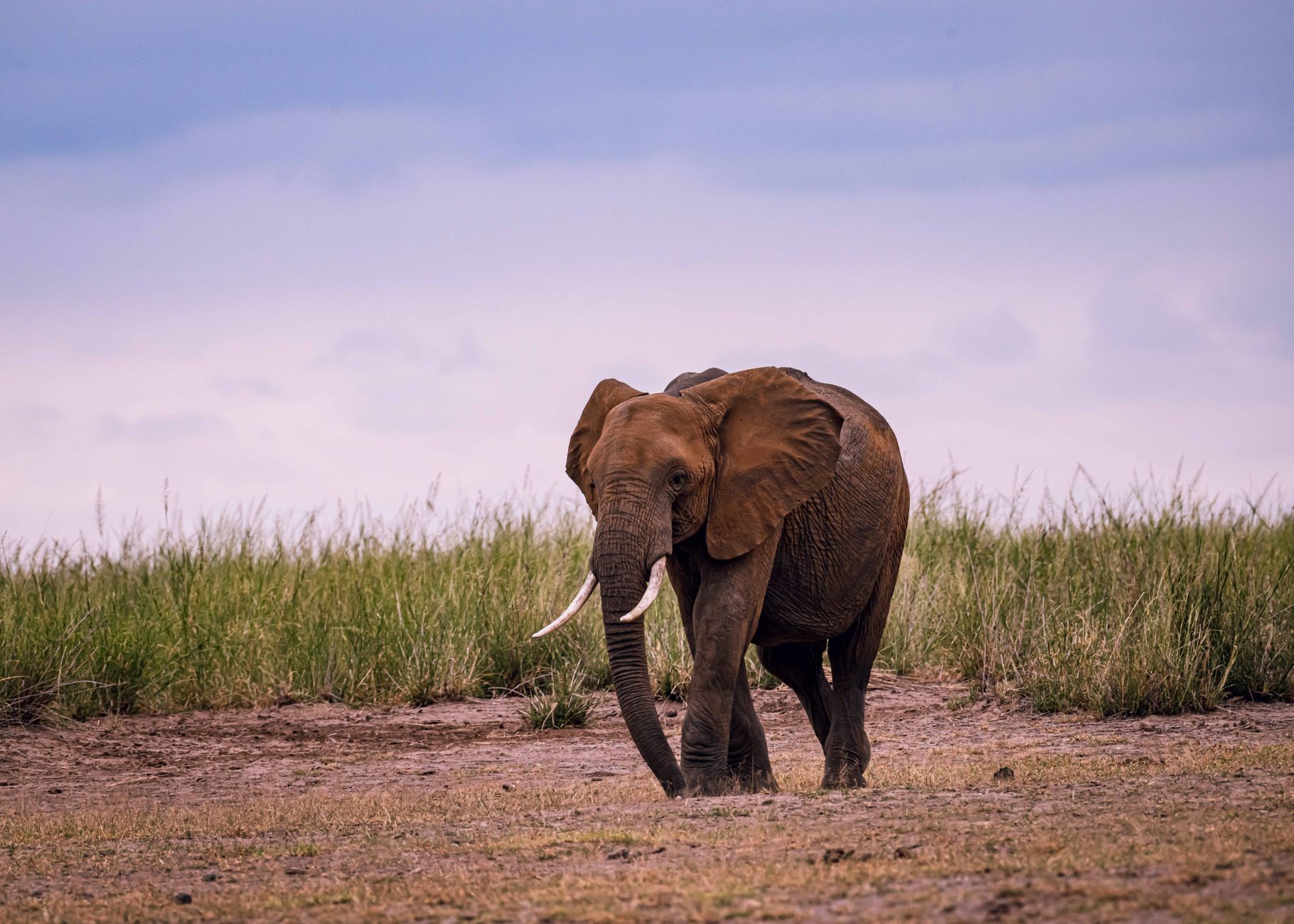
Safari adventures with Wabike & Deen Safaris incorporate a variety of activities such as game drives, walking safaris, and even hot air balloon rides over the iconic Serengeti. Each activity comes with its own set of safety protocols meticulously followed by highly experienced local guides. Maintaining a safe distance from wildlife, following instructions at all times, and avoiding sudden movements are critical to preventing dangerous encounters. For walking safaris, guides equip travelers with detailed briefings on what to expect and how to behave in the bush environment.
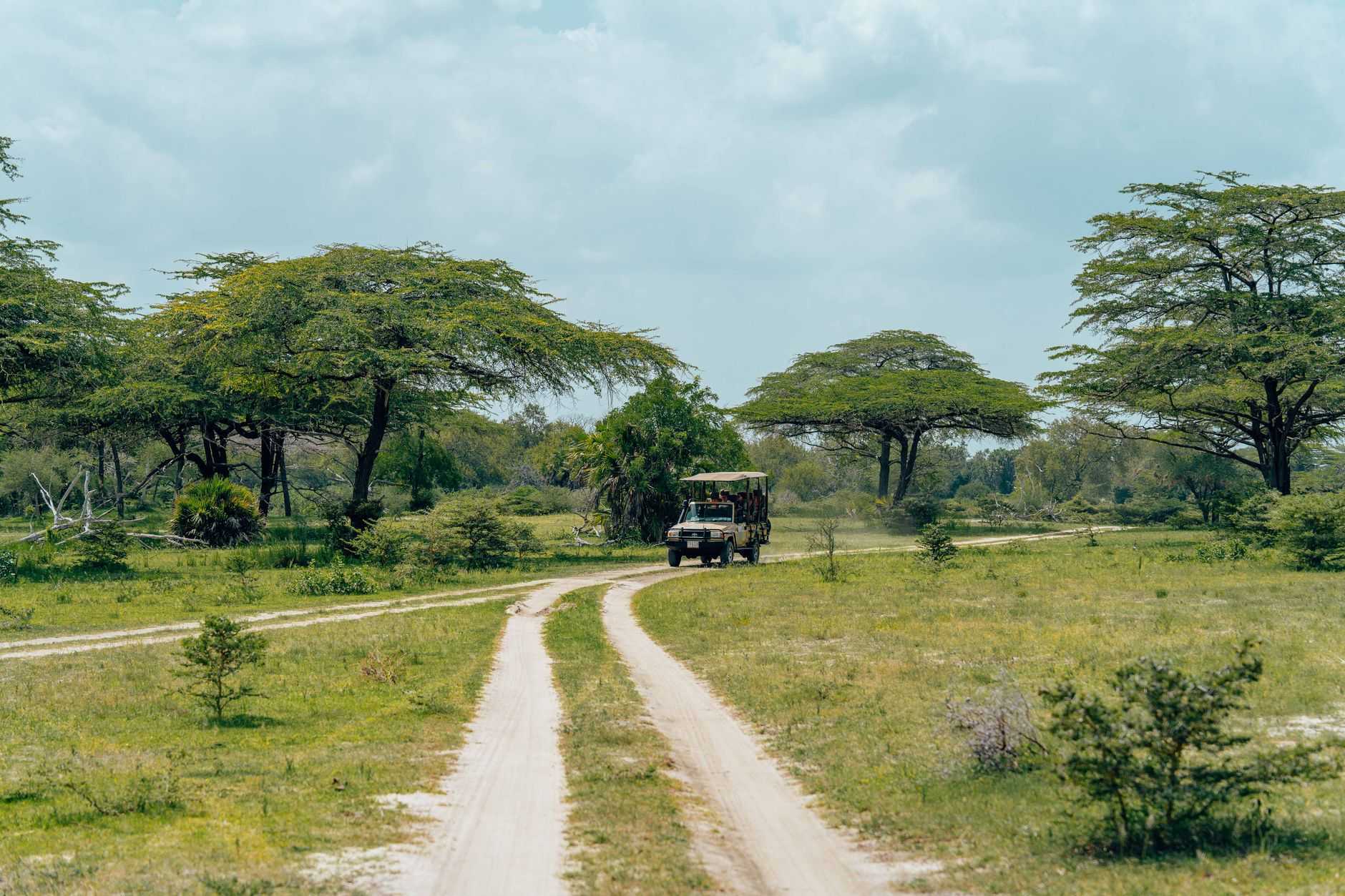
Road safety is another important aspect, especially since safari vehicles traverse remote and sometimes rough terrain. Professional drivers and guides hold expert knowledge of local conditions, weather changes including the rainy season, and wildlife behavior that might affect travel routes. This expertise ensures that every journey is as safe as it is thrilling. For families traveling with children, Wabike & Deen Safaris tailor itineraries to prioritize age-appropriate activities and comfort, doubling down on safety throughout the safari.
Health and Hygiene Practices in Tanzania and Zanzibar
Maintaining good hygiene during your safari contributes significantly to staying well amid Tanzania’s diverse environments. Access to clean drinking water is prioritized by Wabike & Deen Safaris through accommodations and mobile camps that meet high hygiene standards. Travelers are encouraged to bring water purification tablets or portable filters when venturing to more remote areas such as Lake Natron, where amenities may vary.
Food safety also demands attention; opting for freshly prepared meals from trusted lodges and restaurants minimizes the risk of gastrointestinal illnesses. Zanzibar’s coastal climate offers additional considerations, including protection from sun exposure and staying hydrated in the tropical heat. The local culture respects cleanliness and health, and visitors benefit from this emphasis by choosing partners like Wabike & Deen Safaris, which uphold strict sanitation practices as part of their commitment to traveler welfare.
Respectful Cultural Interaction for Mutual Safety and Enrichment
One of Wabike & Deen Safaris’ hallmarks is immersive cultural encounters with Tanzania’s vibrant communities, including visits supported by partnerships such as the Kasulu Foundation. Engaging respectfully and responsibly with local traditions safeguards both visitors and resident populations. This involves understanding local customs, asking permission before photographing individuals, and adhering to dress codes or behavior guidelines advised by knowledgeable guides.
These practices reduce potential misunderstandings or unintended disrespect that could affect safety or the quality of the cultural exchange. Wabike & Deen Safaris ensures guides share insights about cultural nuances and appropriate conduct, enabling travelers to build meaningful connections rooted in mutual respect and safety.
Travel Guarantees and Support for Peace of Mind
Travel confidence is supported through the company’s robust booking policies and the STO Garant travel guarantee scheme, which assures secure reservations with clear cancellation terms. This framework helps mitigate uncertainties related to health advisories or unexpected changes such as evolving COVID-19 protocols. Wabike & Deen Safaris also provides detailed pre-departure information on pandemic measures, health screening, and local medical facilities, ensuring guests are well-informed.
During the safari, local guides trained in first aid stand ready to assist in emergencies. Access to reputable medical centers in major towns along the safari route complements on-the-ground support, offering additional reassurance. Such comprehensive care models empower travelers to fully enjoy their exploration with peace of mind.
Packing Essentials and Seasonal Considerations for Health and Safety
Proper packing plays a crucial role in safeguarding health and comfort on a Tanzanian and Zanzibari safari. Beyond clothing suitable for layering against varying temperatures (cool mornings and hot afternoons), travelers should bring items such as sturdy walking shoes, insect-repellent clothing, wide-brimmed hats, and high-SPF sunscreen. A well-stocked basic medical kit with malaria prophylactics, antiseptic wipes, and motion sickness medication can address minor health concerns promptly.
Seasonal factors such as the long rains (March to May) and short rains (November to December) influence health risks like increased mosquito activity and accessibility of certain parks. Wabike & Deen Safaris advises choosing optimal travel periods that balance great wildlife viewing opportunities with lower health risks and provides seasonal guidance to personalize packing and itinerary choices.
Conclusion: A Confident and Secure Safari Journey Awaits
Health and safety are integral to unlocking the extraordinary experiences offered by Tanzania’s wildlife and cultural richness. By following practical vaccination advice, malaria prevention, safe safari protocols, hygiene practices, and cultural respect outlined in this guide, travelers partnering with Wabike & Deen Safaris can embark with confidence. Supported by expert local guides, transparent travel guarantees, and thoughtful preparation, your journey through iconic destinations like Serengeti, Ngorongoro Crater, and Zanzibar will be not only memorable but also secure and fulfilling.
For more tailored advice and to explore safe, personalized safari packages, visit Wabike & Deen Safaris’ website or connect with our team to ensure your Tanzanian adventure is truly exceptional in every way.