
Embarking on a Tanzanian safari is a journey into one of Africa’s most mesmerizing wildernesses, where every season reveals unique wildlife spectacles and cultural experiences. Planning your safari with an understanding of when and where to catch these natural wonders enhances not only your chance encounters with iconic species but also deepens your connection with the vibrant local communities and landscapes. Whether you dream of witnessing the Great Migration, spotting the Big Five, or engaging with indigenous cultures, the timing of your visit plays a pivotal role in crafting an unforgettable adventure.
Exploring Tanzania’s Premier Safari Regions Through the Seasons
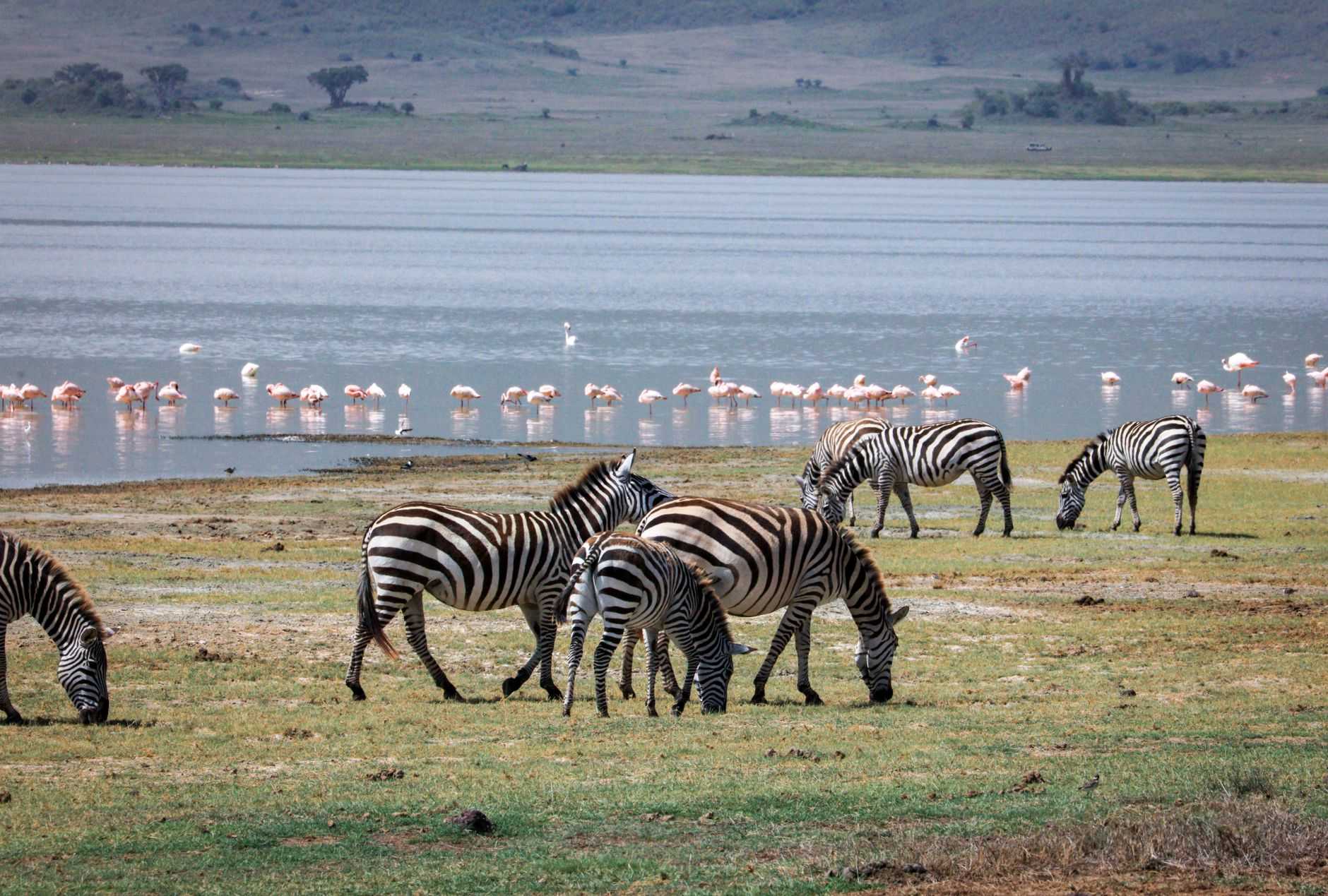
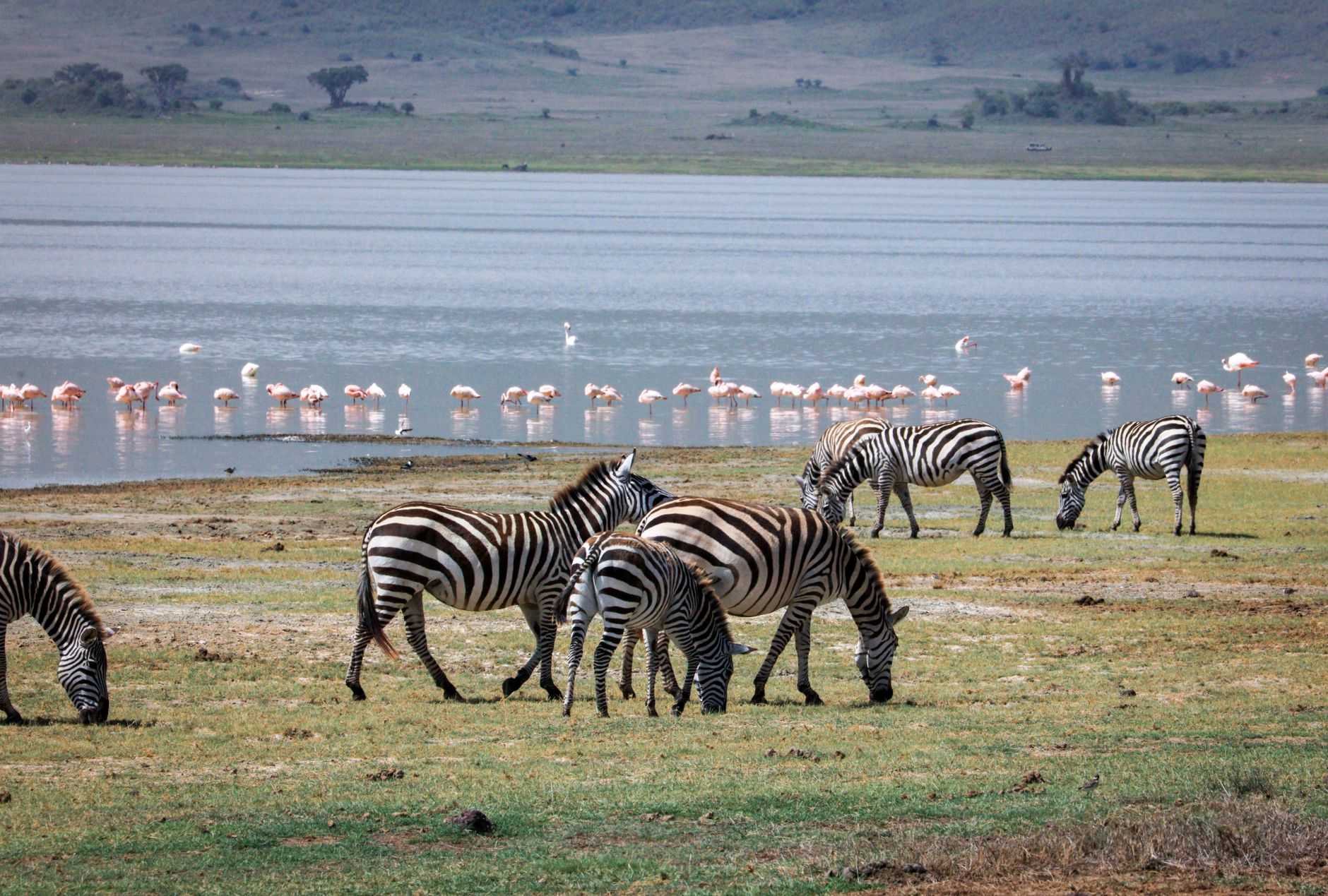
Tanzania is home to a diverse array of national parks and reserves, each with its seasonal wildlife rhythms. The Serengeti National Park, renowned for the Great Migration, offers spectacular wildlife viewing primarily between June and October when millions of wildebeest and zebras traverse the plains. During these months, predators abound, and visitors can witness dramatic river crossings and dynamic ecosystem interactions. Meanwhile, Ngorongoro Crater maintains year-round wildlife activity, but the dry season from July to September heightens animal visibility around water sources, making it ideal for spotting lions, elephants, and rhinos against the crater’s lush backdrop.
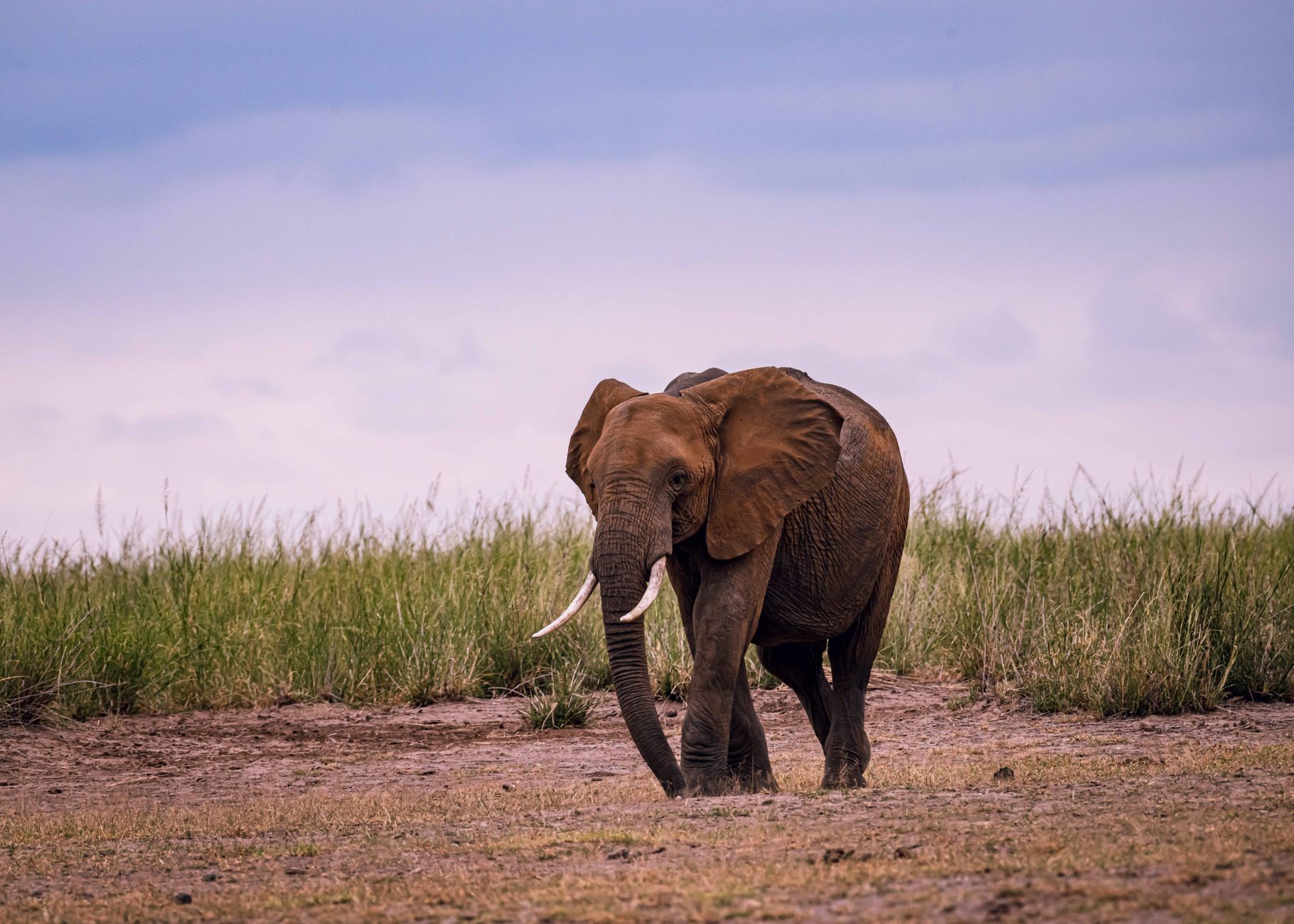
Tarangire National Park is particularly magical in the dry season, when vast herds gather near the Tarangire River, providing excellent game viewing from June to October. In contrast, the wet season, spanning November to May, transforms the landscape to lush greenery teeming with birdlife and newborn animals, with the calving season from January to March offering intimate encounters with young wildlife. Lake Manyara’s rich birdlife and tree-climbing lions can be appreciated year-round, but water levels fluctuate seasonally, influencing the diversity of habitats and animal behavior visitors will encounter.
Climate and Its Influence on Wildlife Viewing and Travel Comfort
Understanding Tanzania’s climate patterns is essential for planning not only optimal wildlife experiences but also comfortable travel conditions. The dry season from late June to October is generally favored for safaris, as sparse vegetation and receding water sources bring animals into concentrated areas, boosting sighting probabilities. This season also offers pleasant temperatures and fewer insect nuisances, making game drives and walking safaris more enjoyable.
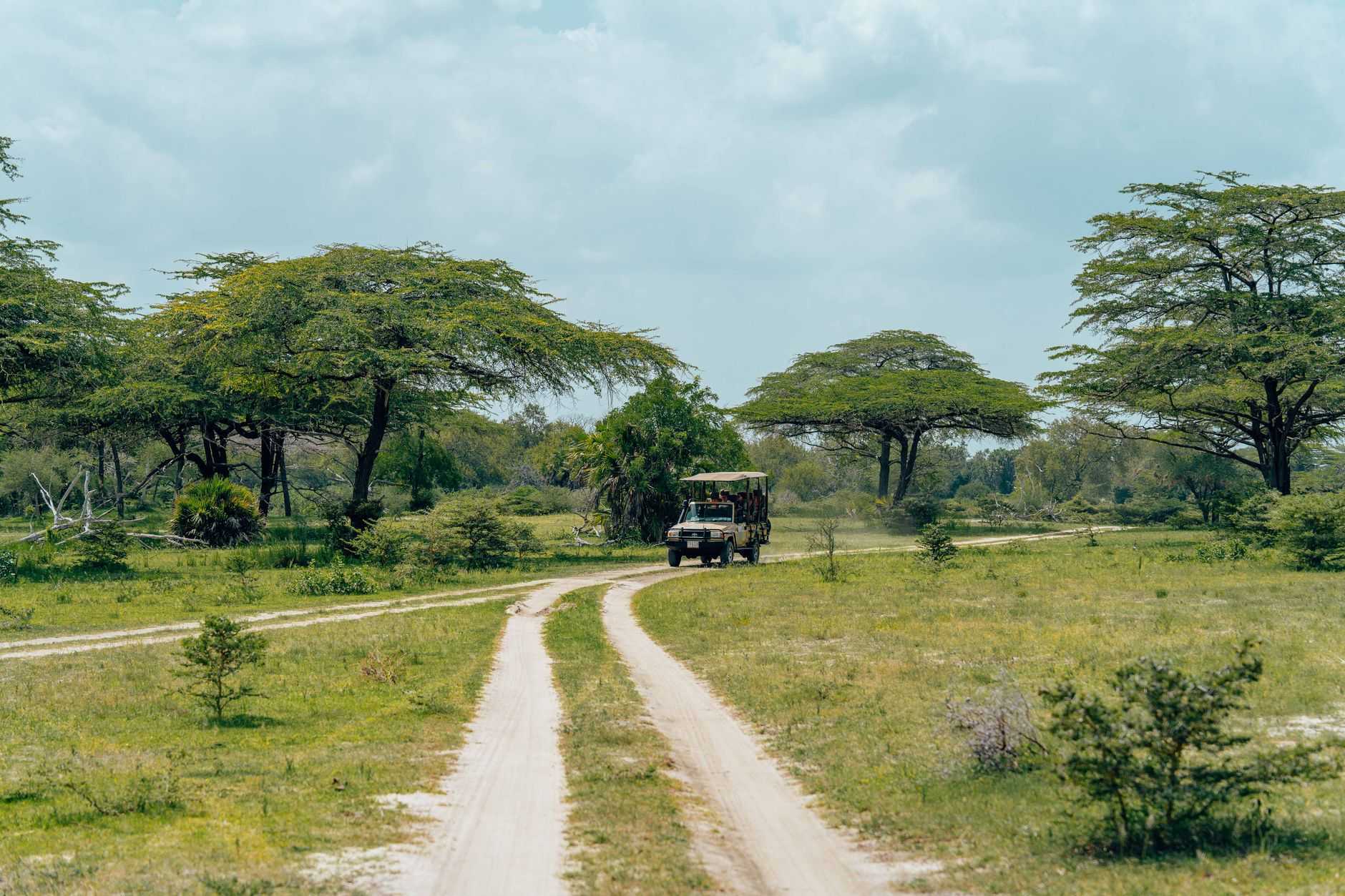
The wet season, marked by the “short rains” in November and December and the “long rains” from March to May, presents a different but equally compelling safari experience. The landscape flourishes with verdant growth and colorful wildflowers, attracting migratory birds and supporting the calving season of key species such as wildebeest and zebras. While some roads might be less accessible due to rains, Wabike & Deen Safaris’ local expertise ensures routes are carefully selected to keep you safe and comfortable. Moreover, visiting in the shoulder months like May and November can balance wildlife viewing opportunities with fewer crowds and competitive pricing.
Aligning Safari Activities with Seasonal Wildlife Highlights
Tailoring your safari itinerary based on seasonal wildlife behavior enriches your experience. For instance, the dry season favors classic game drives and hot air balloon safaris over the Serengeti—a breathtaking way to witness the vast migration and predator-prey dynamics from above. Walking safaris also thrive in these months, particularly in areas like Tarangire and Lake Manyara, where guides introduce you to the intricate ecosystem and smaller wildlife often overlooked during vehicle safaris.
During the calving season from January to March, your safari can focus on intimate, up-close views of newborn animals and their protective mothers, elevating your understanding of life cycles on the plains. This period also provides excellent birdwatching opportunities, with numerous migratory species enriching Tanzania’s avian diversity. For cultural travelers, timing visits to coincide with local festivals and community events, such as harvest celebrations or traditional Maasai ceremonies, adds depth to your safari experience, marrying wildlife wonders with authentic cultural immersion.
Personalized Safaris: Matching Timing to Your Travel Style and Interests
Whether you are traveling as a family, a couple, or a solo adventurer, Wabike & Deen Safaris offers customized itineraries that align the best seasonal wildlife events and activities with your preferences and needs. Families may opt for the dry season, benefiting from improved road conditions and abundant wildlife concentrations suitable for children’s attention spans. Couples seeking romantic and private moments might choose the quieter shoulder seasons to enjoy exclusive encounters and intimate lodge settings. Groups with shared interests in cultural engagement and conservation can coordinate visits during periods that also promote community events, supporting local social impact projects through ethical tourism.
Our expert guides provide transparent advice on the advantages of each season, ensuring your safari is not only memorable but also safe and comfortable. Additionally, our booking system features the STO Garant travel guarantee, offering peace of mind regardless of when you choose to explore Tanzania’s spectacular wilderness.
Contributing to Conservation and Community Through Seasonal Travel
When you align your safari with seasonal highlights, you also support the sustainability of Tanzania’s natural and human heritage. Visit periods that coincide with conservation activities or community festivals can enhance your contribution to local economies and wildlife protection efforts. Wabike & Deen Safaris partners with initiatives like the Kasulu Foundation, integrating social impact visits within safari itineraries that resonate with the rhythms of land and culture, fostering mutual respect and ethical tourism.
Choosing to travel during less crowded seasons helps reduce pressure on popular parks while spreading economic benefits across regions. Moreover, being aware of the best times to visit reduces the risk of environmental disturbance, allowing you to enjoy Tanzania’s wildlife responsibly while nurturing the delicate balance that sustains these exceptional ecosystems.
Conclusion: Crafting Your Ideal Tanzanian Safari by Season and Interest
Planning a Tanzanian safari with a clear understanding of the seasonal wildlife and climate dynamics empowers you to create an adventure that exceeds expectations. By selecting the right time of year to visit Serengeti’s migration routes, Ngorongoro’s iconic crater, Tarangire’s elephant gatherings, or Lake Manyara’s bird-rich habitats, you enhance your chances of extraordinary sightings and cultural encounters. Embrace the guidance, personalized services, and local knowledge of Wabike & Deen Safaris to tailor your journey around your interests, ensuring comfort, safety, and meaningful connections. Experience Tanzania not just as a destination but as a living story unfolding through the seasons—and take home memories that last a lifetime.