
For eco-conscious travelers seeking truly responsible safari journeys, understanding how sustainability is woven into the heart of a safari experience is essential. Wabike & Deen Safaris, rooted deeply in Tanzania’s rich landscapes and cultural heritage, demonstrates a genuine commitment to sustainability that goes far beyond traditional tourism promises. By integrating comprehensive eco-friendly practices and strong social impact initiatives, this agency ensures that each safari not only creates lasting memories for travelers but also actively contributes to conservation and community wellbeing in Tanzania and Zanzibar.
Embedding Sustainability Policies at Every Step of the Safari Journey
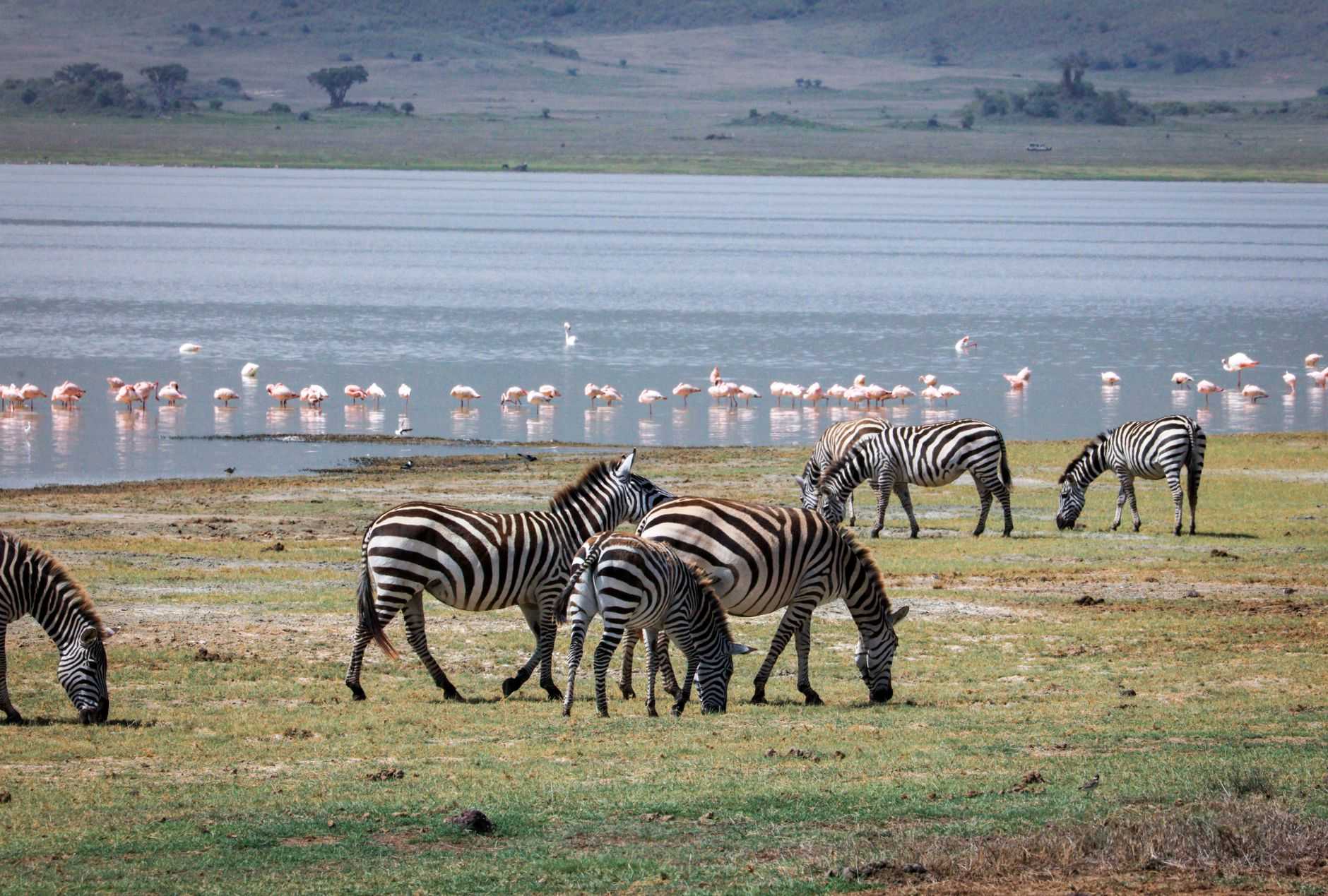
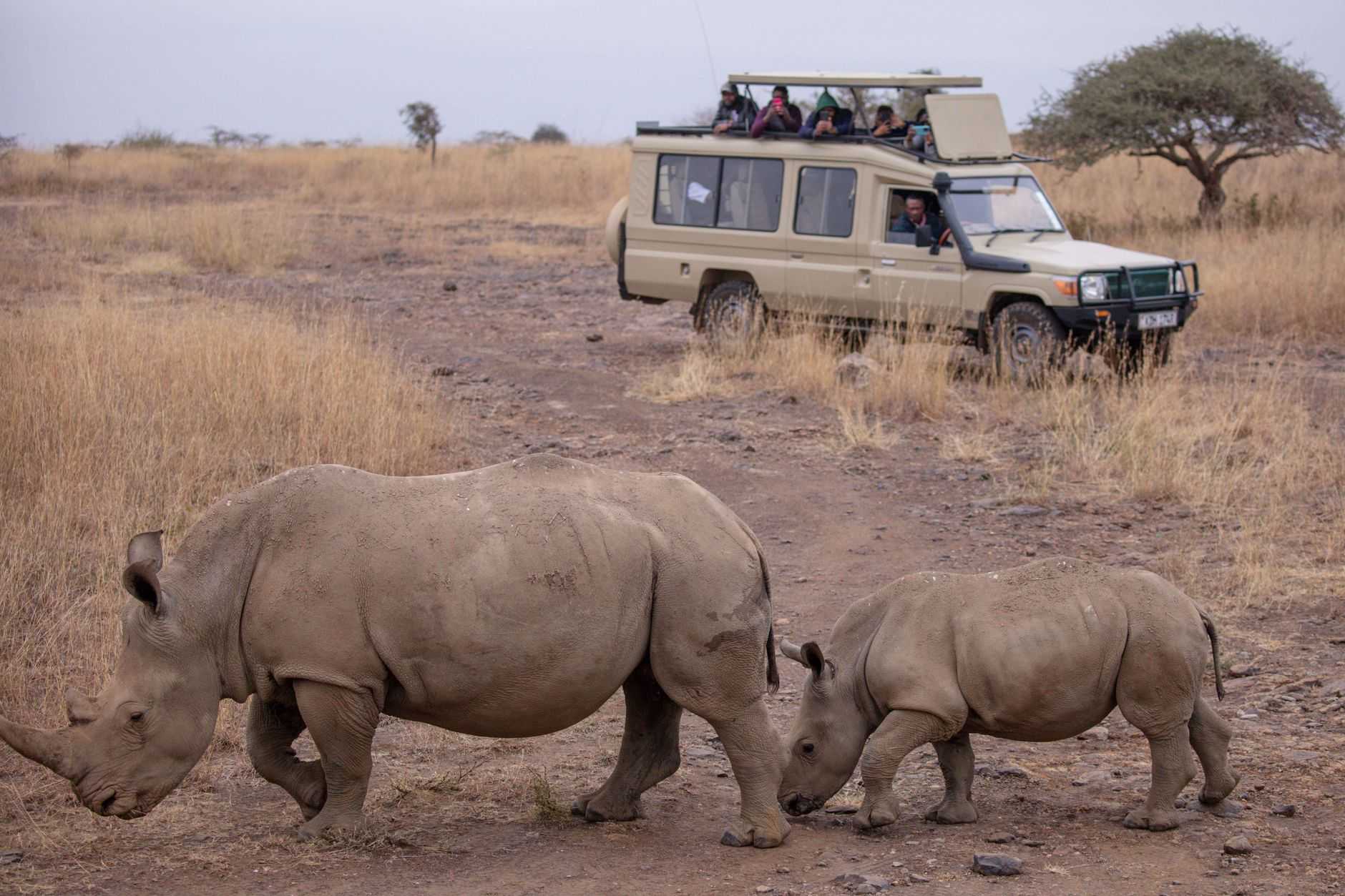
Wabike & Deen Safaris has developed and implemented clear sustainability policies aimed at minimizing environmental impact and supporting conservation efforts across all safari operations. These policies prioritize waste reduction through strict recycling and waste management protocols, as well as energy efficiency by utilizing renewable energy sources where possible, especially in partner accommodations. Additionally, the agency follows strict guidelines to protect wildlife, including limiting group sizes on safaris and enforcing codes of conduct to prevent animal disturbance. Through these deliberate policy measures, travelers enjoy immersive wildlife encounters while respecting the delicate ecological balance in Tanzania’s renowned national parks.
Eco-Friendly Practices in Safari Operations and Transportation
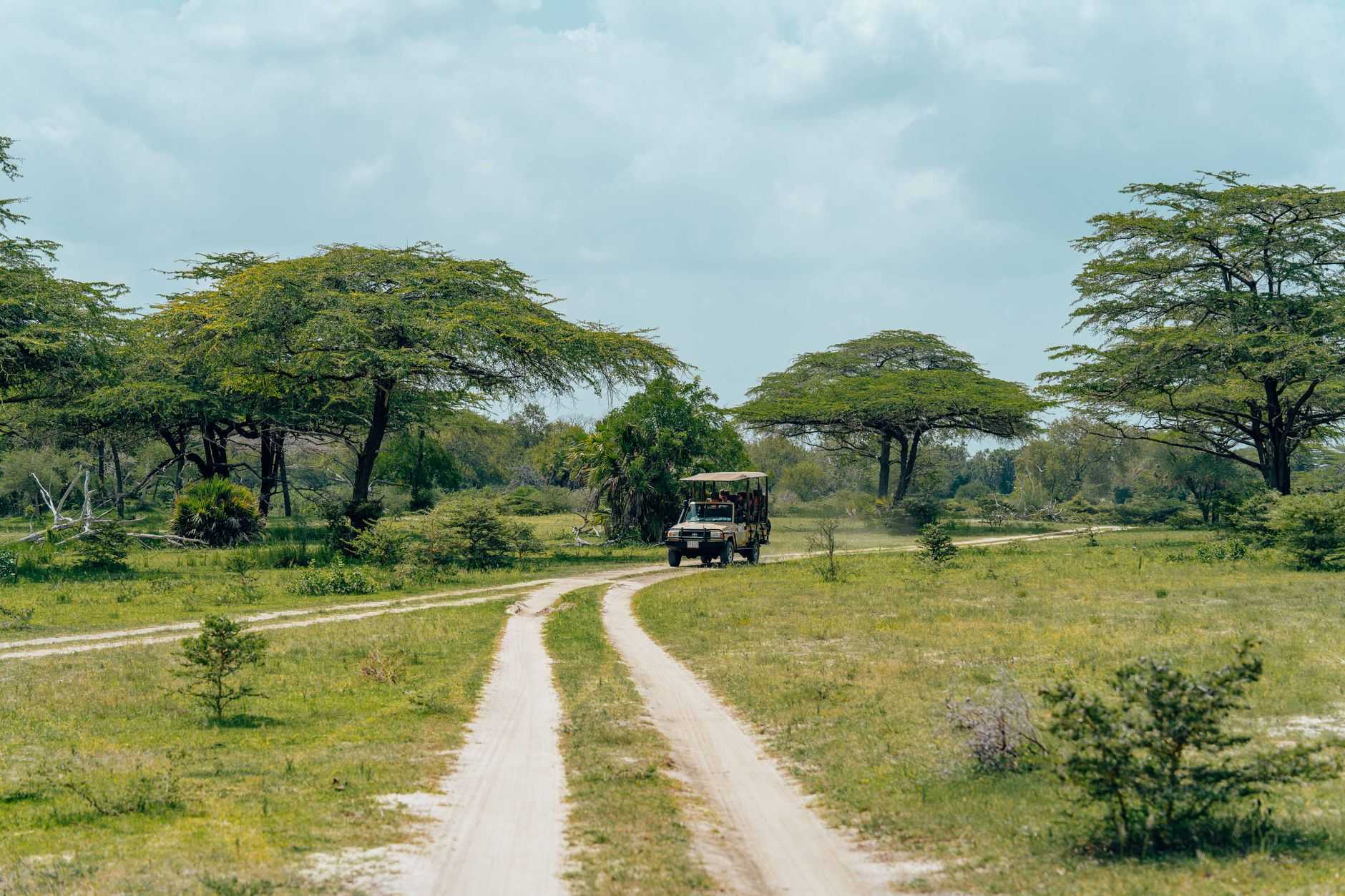
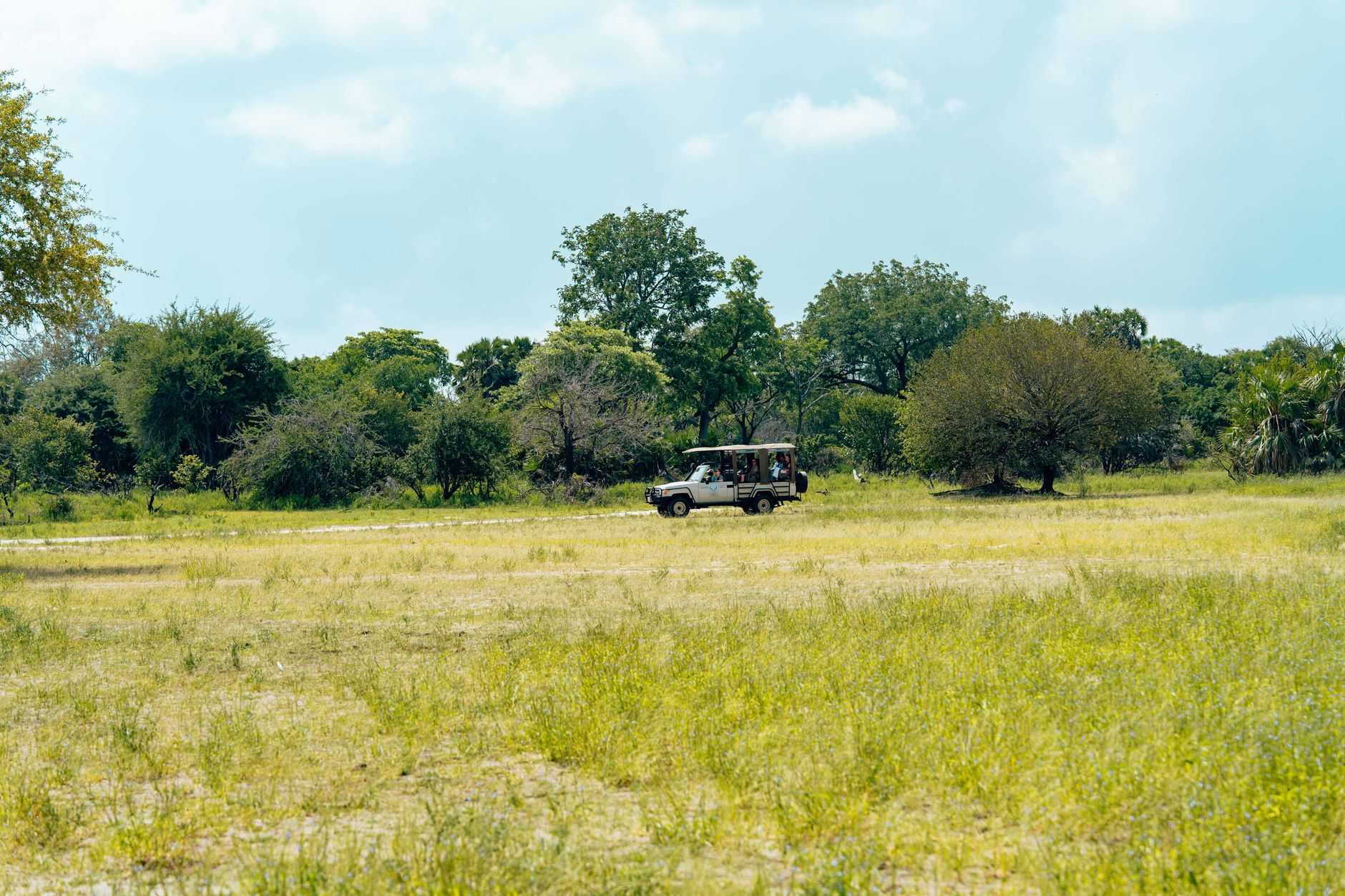
The agency places particular emphasis on selecting eco-friendly means of transport and low-impact safari activities. Use of locally maintained 4×4 vehicles ensures fuel efficiency and reduces emissions, while knowledgeable guides like Paul and Aaron focus on sustainable guiding techniques such as staying on designated tracks and promoting “leave no trace” ethics during walking safaris. Where possible, Wabike & Deen Safaris partners with lodges and tented camps that source food, materials, and staff locally, supporting regional economies and reducing carbon footprints. Even the design of safari itineraries incorporates downtime in nature-friendly accommodations that adhere to rigorous environmental standards.
Partnership with the Kasulu Foundation Amplifies Social and Environmental Impact
A cornerstone of Wabike & Deen Safaris’ responsible tourism approach lies in its collaboration with the Kasulu Foundation. This partnership channels a portion of proceeds from each booking into community development projects and conservation programs. From supporting education initiatives in rural villages to funding anti-poaching patrols, these efforts create tangible benefits in the areas where safaris take place. Travelers have the opportunity to witness the positive changes firsthand through community visits, enhancing their understanding of the social dynamics and encouraging ethical engagement. This symbiotic relationship nurtures a tourism model that uplifts local Tanzanian communities while safeguarding natural habitats.
Traveler Participation in Responsible Tourism Practices
Wabike & Deen Safaris encourages guests to actively participate in maintaining the sustainability ethos throughout their safari adventure. Visitors receive comprehensive guidance on ethical behaviors such as respecting local customs, minimizing plastic use, and supporting locally owned businesses and artisans when purchasing souvenirs. The emphasis on cultural respect and environmental stewardship extends to all activities, from game drives to guided cultural tours. Educating travelers fosters awareness about their ecological and cultural footprint, empowering them to make mindful decisions that benefit the environment and communities alike. This participatory model deepens the safari experience beyond sightseeing into a meaningful journey of conservation and cultural respect.
Showcasing Sustainable Accommodations and Ethical Tour Design
Accommodation selection reflects Wabike & Deen Safaris’ sustainability commitments, featuring lodges and camps that utilize green building practices, water conservation methods, and waste management systems aligned with environmental standards. Many camp operators employ local staff, contributing to economic sustainability and community empowerment. Tour itineraries are thoughtfully crafted to balance wildlife viewing opportunities with adequate rest and rejuvenation in eco-lodges, ensuring minimal ecological strain. Responsible tourism certification and transparent communication of these lodging choices allow travelers to make informed decisions, reinforcing trust in the agency’s dedication to authenticity and sustainability.
Advantages of Choosing a Responsible Tanzanian Safari
Opting for a safari with Wabike & Deen Safaris offers benefits that go beyond stunning wildlife and cultural experiences. Responsible tourism practices directly contribute to preserving Tanzania’s unique biodiversity and cultural heritage for future generations. Travelers enjoy richer, more authentic encounters while knowing their journey positively impacts local livelihoods and ecosystems. This approach nurtures respectful relationships between visitors and Tanzanian communities, fostering mutual benefit and shared stewardship. Moreover, the company’s adherence to transparency and ethical business practices supports traveler confidence, making each safari not only memorable but meaningful and responsible.
Conclusion: Leading the Way in Sustainable and Socially Impactful Safaris
Wabike & Deen Safaris stands as a prime example of how sustainable tourism can be successfully integrated into authentic safari experiences. Through a combination of robust sustainability policies, eco-friendly operational practices, strategic community partnerships, and active traveler education, the agency offers a responsible travel model that honors Tanzania’s natural and cultural treasures. For travelers who seek meaningful wildlife adventures that uplift local communities and safeguard the environment, choosing Wabike & Deen Safaris delivers not just a trip but a lasting positive impact. Explore more about their social impact collaborations and eco-tourism initiatives to plan a truly conscious Tanzanian safari journey.