
Embarking on a Tanzanian safari promises an unforgettable adventure filled with breathtaking wildlife encounters, vibrant cultural experiences, and stunning landscapes. Yet, the key to fully enjoying this journey lies not only in the destination but in how well you prepare. From the Serengeti’s sweeping plains to the Ngorongoro Crater’s scenic depths, the diverse safari activities and climates of Tanzania demand thoughtful packing combined with practical health and safety measures. This comprehensive guide offers expert tips to ensure your travel companions and you stay comfortable, safe, and respectful of local customs while immersing yourselves in the authentic African safari experience.
Essential Clothing and Gear for Tanzania’s Safari Environments
When packing for your Tanzanian safari, versatility and practicality are paramount. Tanzania’s climate varies by region and season, but most safaris take place in warm, dry areas during the day and cooler, sometimes chilly mornings and evenings. Lightweight, breathable fabrics in neutral earth tones such as beige, olive, and khaki are ideal to blend with the surroundings and avoid attracting insects. A combination of long-sleeve shirts and trousers protects against sunburn and mosquito bites, while a wide-brimmed hat and UV-protection sunglasses shield you from intense equatorial sun exposure.
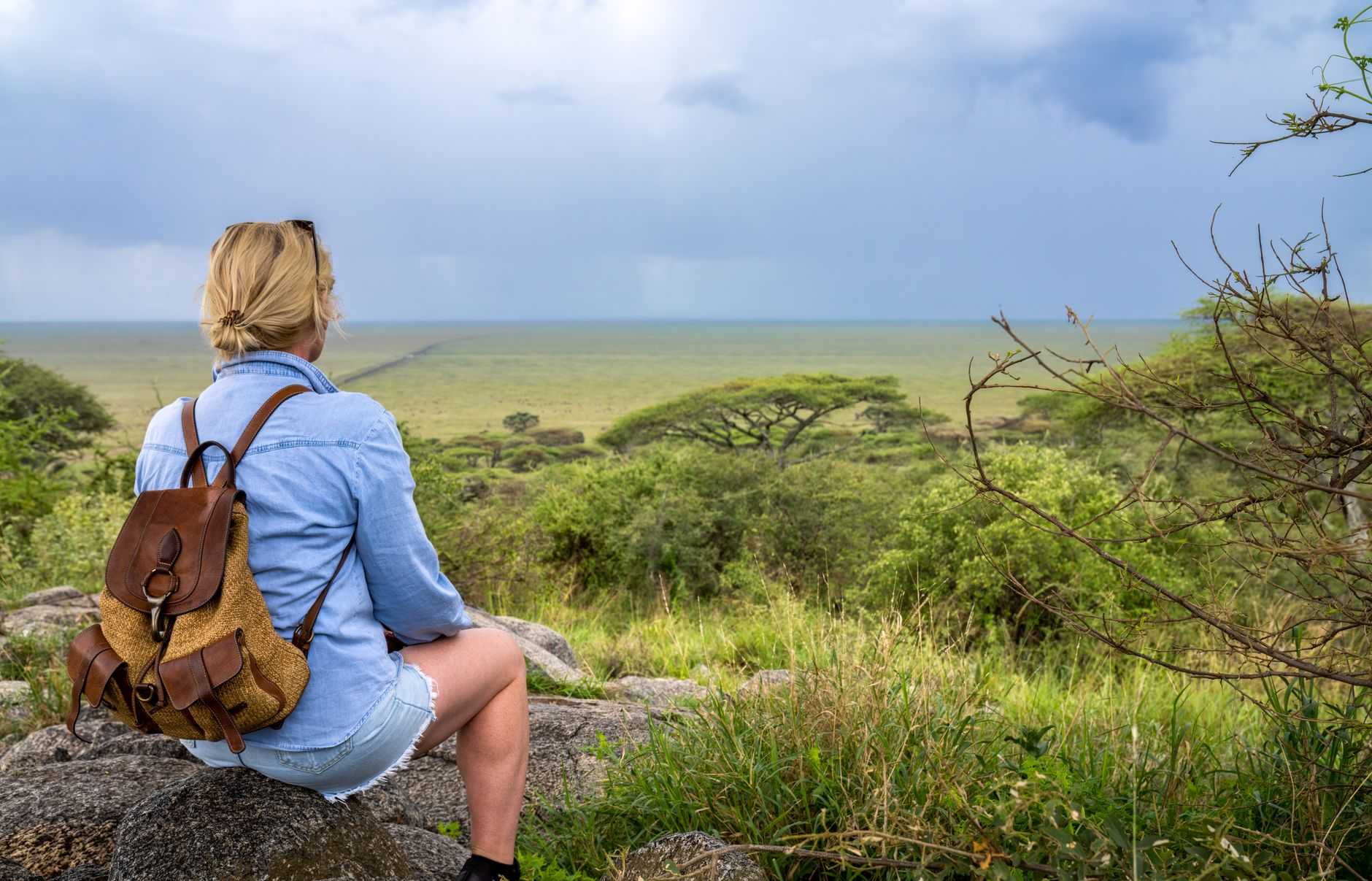
For activities such as walking safaris or balloon rides over the Serengeti, comfort takes priority. Sturdy walking shoes or hiking boots and layered clothing will keep you warm when the temperature dips at dawn or altitude. Don’t forget a rain jacket especially if you plan your trip during or near the rainy seasons. A good pair of binoculars, a camera with zoom capabilities, and a small backpack for day essentials will enhance your wildlife spotting and overall experience without weighing you down.
Health and Safety Preparations: Vaccinations, Medications, and Emergency Supplies
Your health is the cornerstone of an enjoyable safari. Prior to departure, consult travel health professionals to confirm recommended vaccinations such as yellow fever, typhoid, hepatitis A, and routine immunizations. Malaria prophylaxis is strongly advised due to Tanzania’s mosquito vectors, and insect repellent containing DEET is a must-have to reduce exposure further.
A basic medical kit tailored to your needs should include antiseptic wipes, bandages, pain relief medication, anti-diarrheal tablets, and any personal prescriptions. If you plan to join more adventurous or remote excursions, inform your safari organizer—such as Wabike & Deen Safaris—who provide guidance on medical safety and have protocols for emergency evacuations. Maintaining hydration through reusable water bottles and practicing safe food consumption will help you stay healthy throughout your journey.
Travel Documents and Practical Essentials for a Smooth Safari Experience
Before you pack your bags, ensure all travel documents are in order. Your passport must be valid for at least six months beyond your planned return date. Most visitors require a Tanzanian visa, which can be arranged online or upon arrival, but policies may vary by nationality. Travel insurance that covers medical emergencies, trip cancellations, and safari-specific activities is highly recommended, providing peace of mind alongside Wabike & Deen Safaris’ STO Garant booking guarantee.
Bring photocopies or digital backups of your passport, visa, travel insurance, and vaccination certificates. A comfortable daypack will keep essentials like sunscreen, lip balm with SPF, travel guides, and a lightweight scarf accessible. Consider currency requirements; while US dollars are widely accepted, local Tanzanian shillings are needed for smaller transactions or tips to guides and local communities.
Packing for Families, Groups, and Specialized Safari Activities
Traveling with family or in groups adds complexity to packing but also enriches your safari adventure. For families, packing adequate snacks, entertainment for children during transit, and familiar comforts can help ease the journey. Lightweight foldable travel cots or carriers, if needed for little ones, should be arranged in advance. Group trips benefit from coordinated packing lists to avoid duplication of shared items such as first aid kits and chargers.
Specialized activities require tailored gear. For hot air balloon safaris over the Serengeti, layered clothing and sturdy shoes are essential as temperatures can be cool pre-dawn. Walking safaris necessitate lightweight hiking shoes and insect-proof clothing. Cultural tours, especially when visiting traditional communities, call for modest attire that respects local customs—think covering shoulders and knees—and bringing small tokens or donations if desired to support projects like the Kasulu Foundation responsibly.
Seasonal Considerations and Cultural Respect in Packing Choices
Seasonal changes in Tanzania influence not only wildlife sightings but also packing needs. The dry season (June to October) demands sun protection and light clothing, while the rainy seasons (November to December and March to May) require waterproof gear and insect precautions. Wabike & Deen Safaris advises checking specific park conditions closer to your trip to adapt your packing accordingly, ensuring comfort during game drives or visits to lakes and forests.
Equally important is cultural sensitivity. Tanzanian communities generally favor modest dress and gentle engagement. Avoid flashy jewelry or revealing clothing that could cause discomfort. Opt for respectful accessories such as scarves and lightweight long gowns when in villages. This thoughtful approach fosters positive interactions and enriches your cultural tourism experience, aligning with the ethical principles upheld by your safari guides and hosting communities.
Conclusion: Confidently Prepare for an Authentic Tanzanian Safari Journey
Preparing for a Tanzanian safari involves more than just packing; it is about aligning your gear, health measures, documents, and mindset to the unique demands and wonders of the region. By choosing appropriate clothing and equipment, safeguarding your health, securing all documentation, and embracing cultural respect, you lay the groundwork for an immersive and worry-free adventure. Wabike & Deen Safaris is dedicated to supporting you at every step—offering expert advice, personalized itineraries, and booking guarantees to ensure your journey into Tanzania’s magnificent wilderness and vibrant cultures is as comfortable and memorable as it is inspiring.