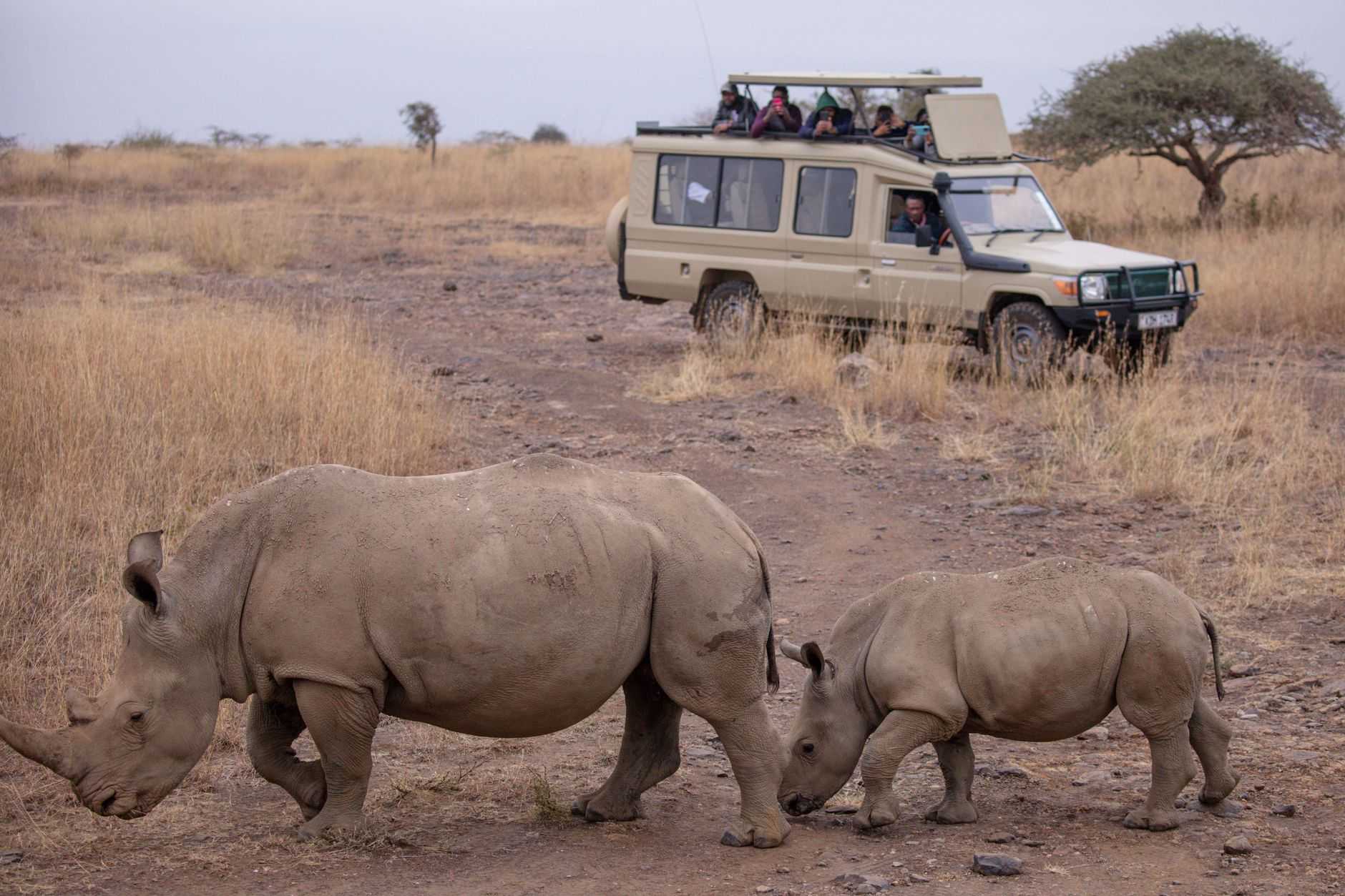

How Wabike & Deen Safaris Creates Authentic Social Impact Through Ethical Tanzanian Community Visits

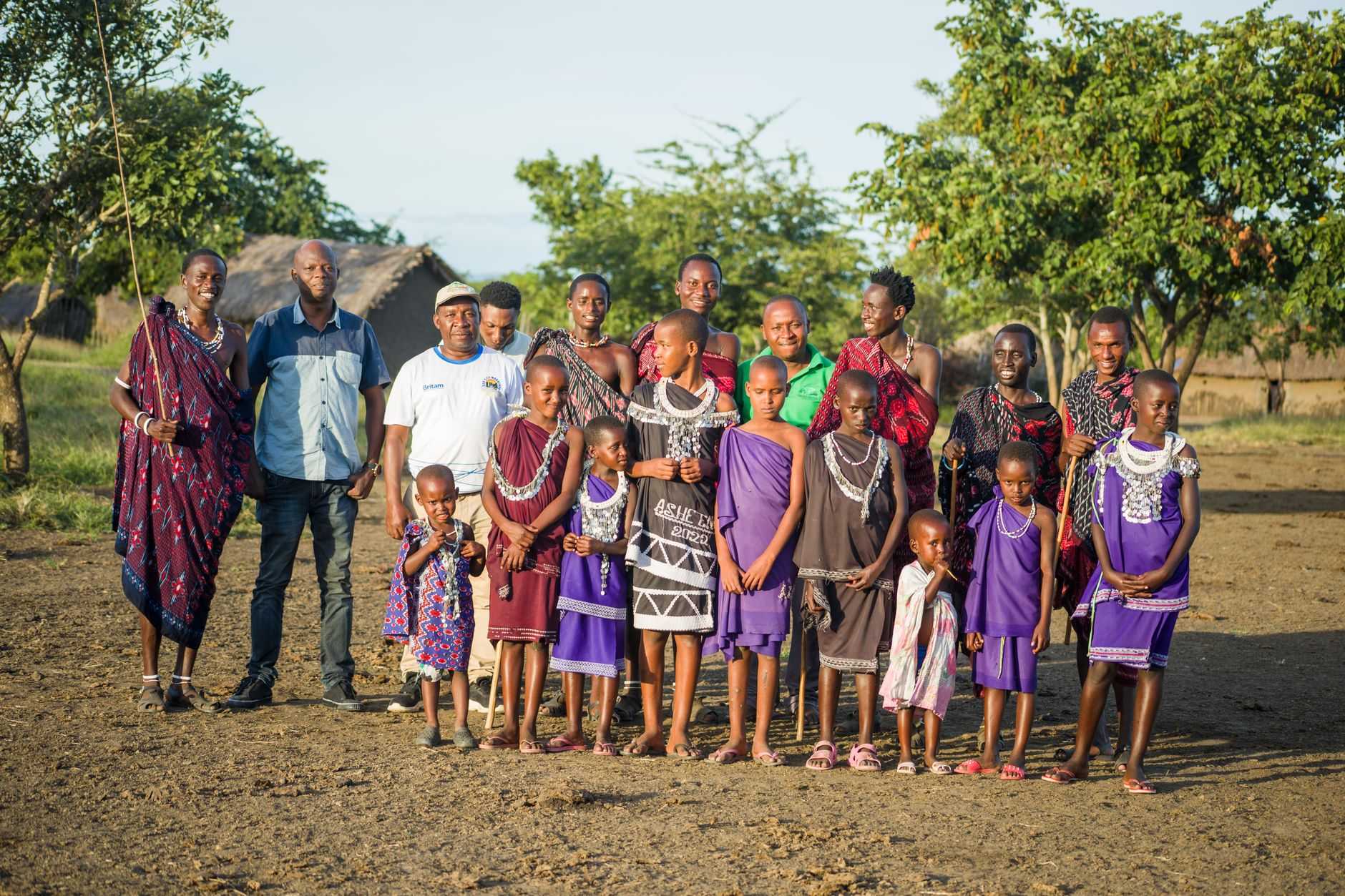
Exploring Tanzania’s breathtaking landscapes and wildlife is an unforgettable adventure, but for many travelers today, the journey goes beyond mere sightseeing. At Wabike & Deen Safaris, social impact and ethical travel form the heart of the safari experience, offering visitors a chance to genuinely connect with Tanzanian communities. These connections not only enrich travelers’ cultural understanding but also support meaningful development by empowering local people through carefully crafted community visits. By partnering with organizations like the Kasulu Foundation, Wabike & Deen Safaris creates authentic, responsible tourism experiences that leave a positive footprint long after the trip ends.

Wabike & Deen Safaris’ Commitment to Ethical Social Impact Tourism

Wabike & Deen Safaris embraces a holistic approach to tourism, one that respects and uplifts Tanzanian communities while offering adventurers truly immersive cultural encounters. The agency’s philosophy centers on responsible travel principles — ensuring that interactions are mutually beneficial, respectful, and sustain local livelihoods. Unlike conventional safari operators, Wabike & Deen integrates community engagement seamlessly within its itineraries, highlighting local projects and cultural initiatives alongside its renowned wildlife safaris. This commitment reflects a deep understanding that authentic social impact tourism fosters conservation, cultural preservation, and economic empowerment.

Collaborating with the Kasulu Foundation and Local Projects

A cornerstone of Wabike & Deen’s social impact efforts is its partnership with the Kasulu Foundation Tanzania. This collaboration supports grassroots initiatives focused on education, health, and sustainable development in rural communities. Through curated visits to these community projects, travelers witness firsthand how their tourism dollars directly contribute to tangible improvements in people’s lives. The foundation facilitates projects such as school renovations, healthcare outreach, and clean water programs, providing visitors with inspiring narratives that deepen their appreciation for Tanzanian resilience and potential. Each visit is carefully designed to ensure privacy, dignity, and culturally appropriate engagement.

Ethical Guidelines for Community Visits

Travelers joining Wabike & Deen Safaris can participate in community visits with clear guidance to uphold ethical standards. The agency educates visitors on cultural sensitivity, informed consent, and meaningful interaction protocols to avoid any exploitation or misunderstandings. These guidelines ensure that visits remain respectful, avoiding the pitfalls of “poverty tourism” and instead celebrating cultural richness and human connection. Travelers are encouraged to listen, observe, and engage thoughtfully — experiences that foster empathy and a genuine desire to support ongoing development efforts. Moreover, Wabike & Deen’s local guides serve as cultural ambassadors, facilitating conversations and providing context that enhances every visit’s authenticity.

How Social Impact Tourism Benefits Both Travelers and Communities

Visiting local community projects through Wabike & Deen Safaris offers a profound reciprocity: travelers gain unique insight into Tanzanian culture and daily life, while communities receive vital support and international recognition. Beyond financial contributions, these encounters break down stereotypes and build global bridges of understanding. For eco-conscious tourists, such experiences transform travel into a force for good, aligning with values of conservation, sustainability, and equity. Importantly, the agency’s integrated approach highlights how social impact ties seamlessly into broader safari adventures, creating a richer narrative that celebrates Tanzania’s people as much as its wildlife.

Stories from the Field: Meaningful Encounters on Safari

Guests frequently recount how meeting local artisans, teachers, and youth involved in projects brought their safari to life in unexpected ways. One family traveler shared how visiting a rural school supported by the Kasulu Foundation created a moving moment of connection, sparking a lifelong passion for cultural exchange and philanthropy. Solo adventurers find inspiration in hearing personal stories of community members who balance tradition with change, reminding them that each person they meet shapes Tanzania’s evolving story. These testimonials affirm that Wabike & Deen Safaris’ social impact visits are more than tourist stops—they are enriching chapters in a journey grounded in respect, learning, and shared humanity.

Planning Your Ethical Safari Experience with Wabike & Deen Safaris

Those inspired to explore Tanzania through a socially responsible lens can choose from Wabike & Deen’s carefully curated cultural and community tours, personalized safari packages, or group itineraries emphasizing local engagement. The agency ensures transparent communication about how each booking supports community initiatives and encourages travelers to extend their impact through volunteer options or charitable donations. By selecting Wabike & Deen Safaris, adventurers join a network committed to ethical tourism and sustainable development, enriching their African safari with meaningful connections that resonate far beyond the savannah. To learn more about these unique experiences, travelers are invited to explore detailed community tour options and support partners like the Kasulu Foundation directly through the agency’s website.

Conclusion: Transforming Safaris into Social Impact Journeys

Wabike & Deen Safaris exemplifies a new generation of travel providers who place social impact at the forefront of safari adventures. Through authentic, ethical visits to Tanzanian community projects, travelers gain profound cultural insight while contributing to positive change. This approach not only transforms individual journeys into memorable, purposeful experiences but also supports the ongoing vitality of local communities. For those seeking meaningful connections alongside Tanzania’s iconic landscapes and wildlife, Wabike & Deen Safaris offers a trusted guide to responsible tourism that honors tradition, fosters sustainability, and creates lasting social good.

How to Prepare for Your Ngorongoro Crater Safari: Essential Travel Tips and Packing Guide

Embarking on a Ngorongoro Crater safari is a thrilling adventure that promises awe-inspiring wildlife encounters and breathtaking landscapes. To make the most of this unique Tanzanian experience, adequate preparation is key. Whether you’re a family seeking memorable moments or a solo traveler yearning for close wildlife encounters, understanding what to expect, how to pack, and how to respect local customs will set the foundation for a seamless and enriching journey.

Understanding the Ngorongoro Crater Environment

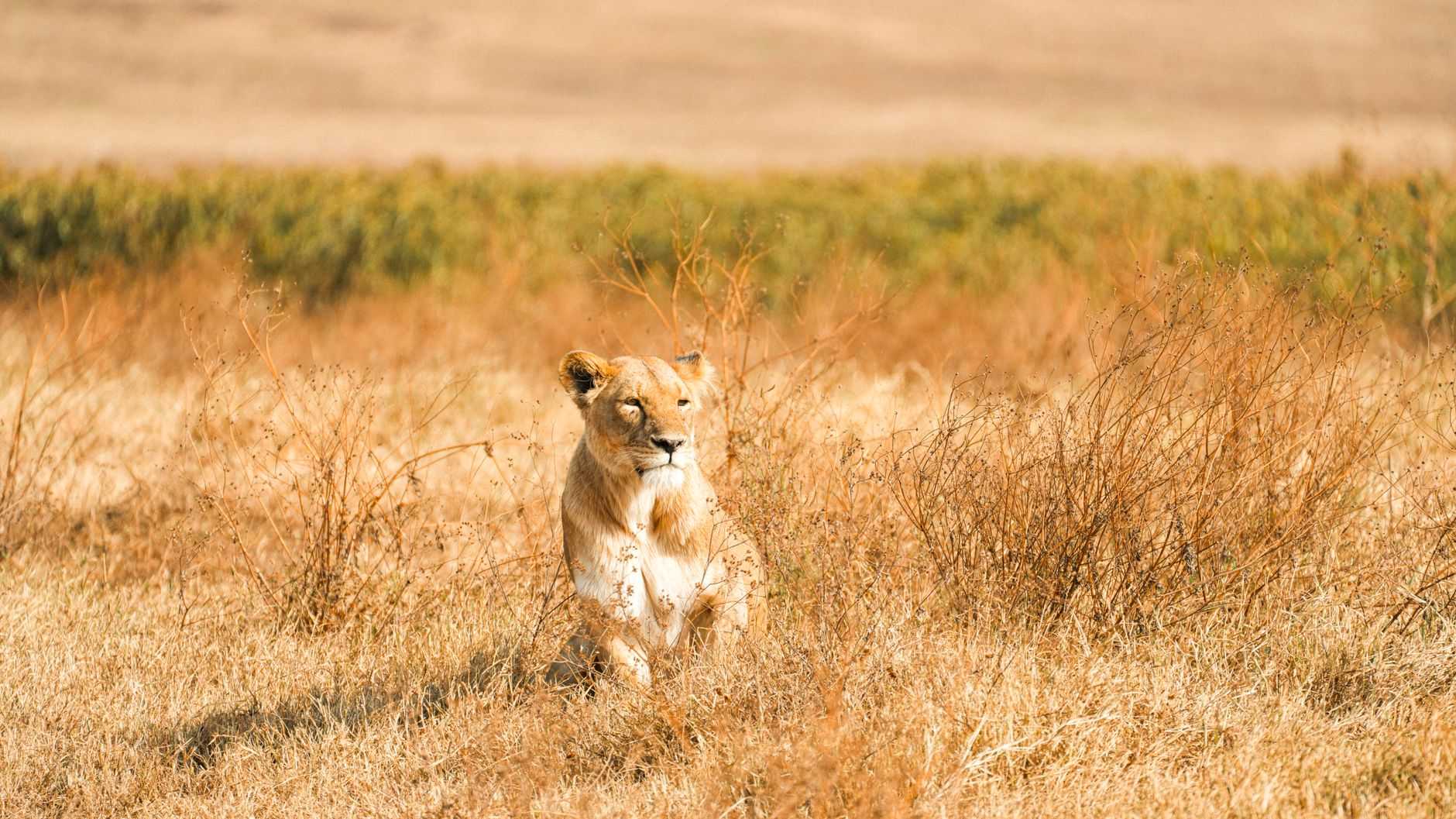
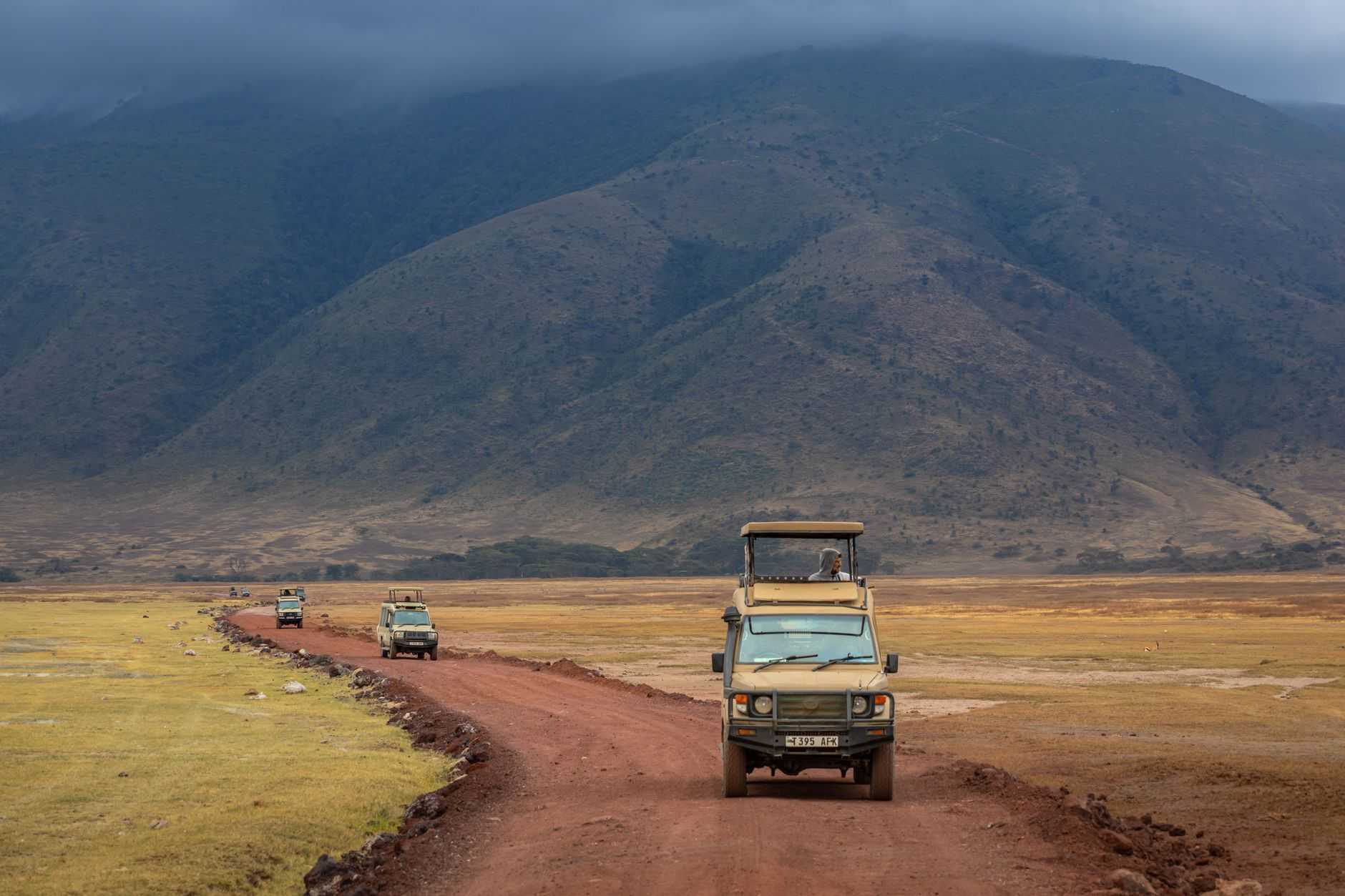
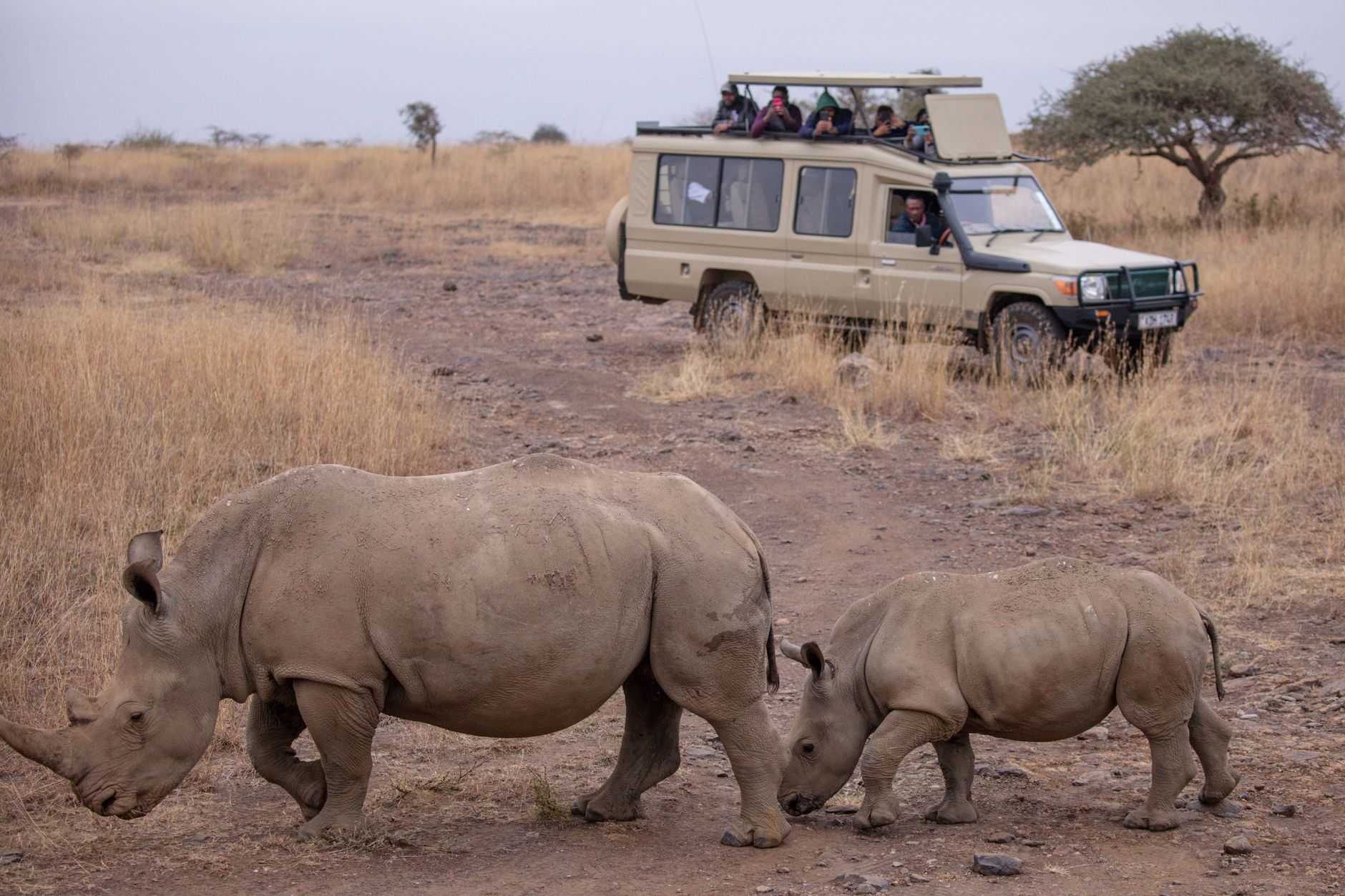
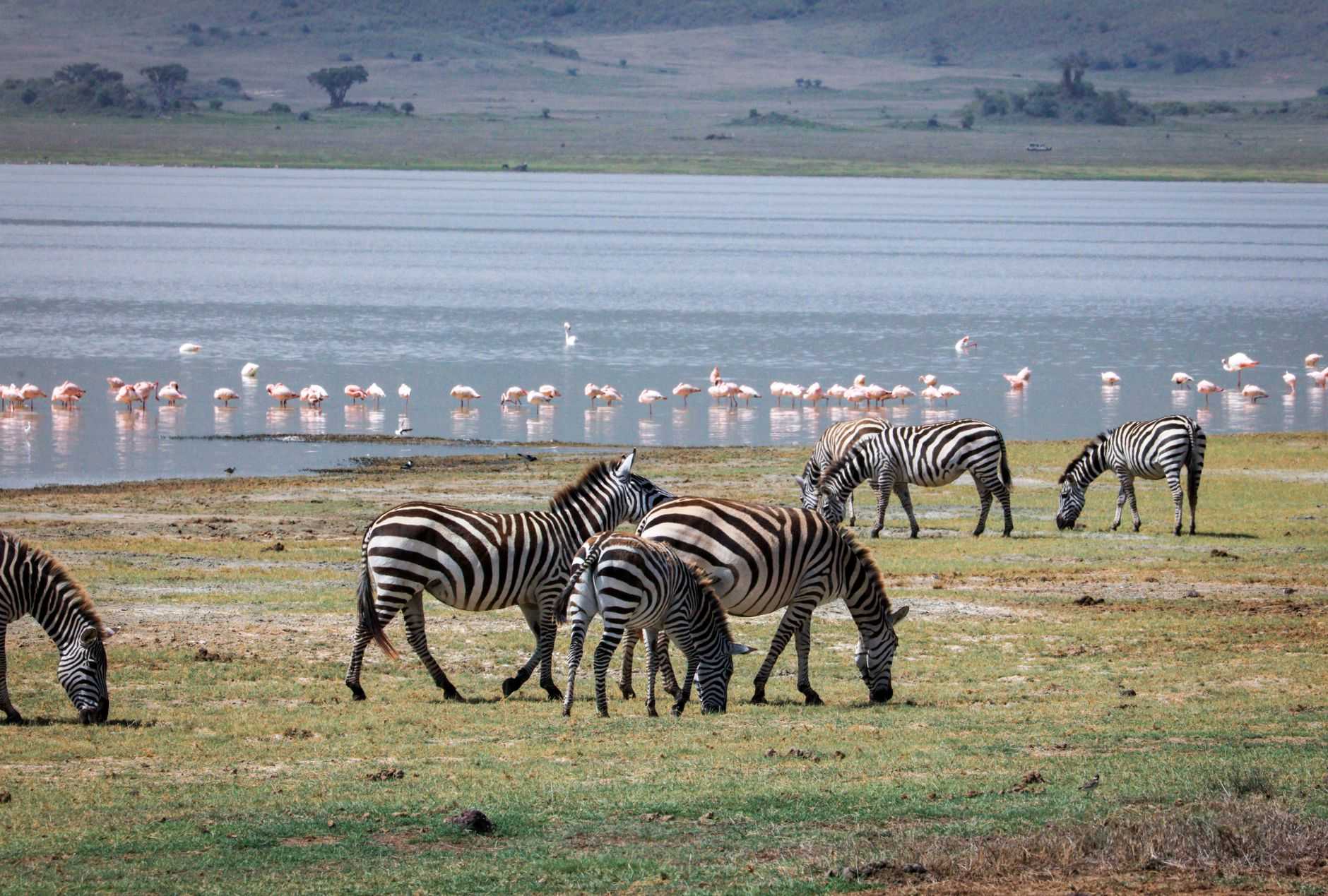
The Ngorongoro Crater, famously known as the world’s largest inactive volcanic caldera, is an ecological marvel hosting extraordinary biodiversity. Its unique geography creates a natural enclosure teeming with wildlife such as lions, elephants, rhinos, and zebras. However, the crater’s terrain ranges from flat plains to steep escarpments, with variable weather conditions that might surprise even seasoned travelers. Mornings and evenings can be chilly, especially during Tanzania’s dry season from June to October, while daytime temperatures warm considerably. Being aware of these conditions helps in planning timed game drives and selecting appropriate clothing, ensuring comfort and safety during your explorations.

Health, Safety, and Documentation Essentials

Prioritizing traveler health and safety is crucial when visiting Ngorongoro. Carrying malaria prophylaxis is recommended due to the presence of mosquitoes, especially in the wetter months. Additionally, consult your healthcare provider for up-to-date vaccinations, including yellow fever, as per Tanzanian regulations. All visitors should bring adequate water, use insect repellent, and adhere strictly to safety guidelines provided by your safari guides to minimize wildlife risks.

Regarding documentation, ensure your passport is valid for at least six months beyond your travel dates and that you have the required Tanzanian tourist visa, which can be obtained online or on arrival. Having copies of your passport, visa, travel insurance, and any health certificates securely stored and easily accessible can prevent last-minute complications and foster peace of mind.

Packing Wisely for a Memorable Safari Experience

Packing for a Ngorongoro Crater safari requires balance—preparing for various climates and terrains while keeping luggage light and practical. Neutral-colored clothing, such as khaki, beige, or olive green, not only helps in wildlife observation without startling animals but also aligns with eco-friendly travel practices encouraged by local communities. Layered clothing is ideal to accommodate temperature fluctuations. Essential items include a wide-brimmed hat, sunglasses, sturdy walking shoes, and a light waterproof jacket in case of unexpected showers.

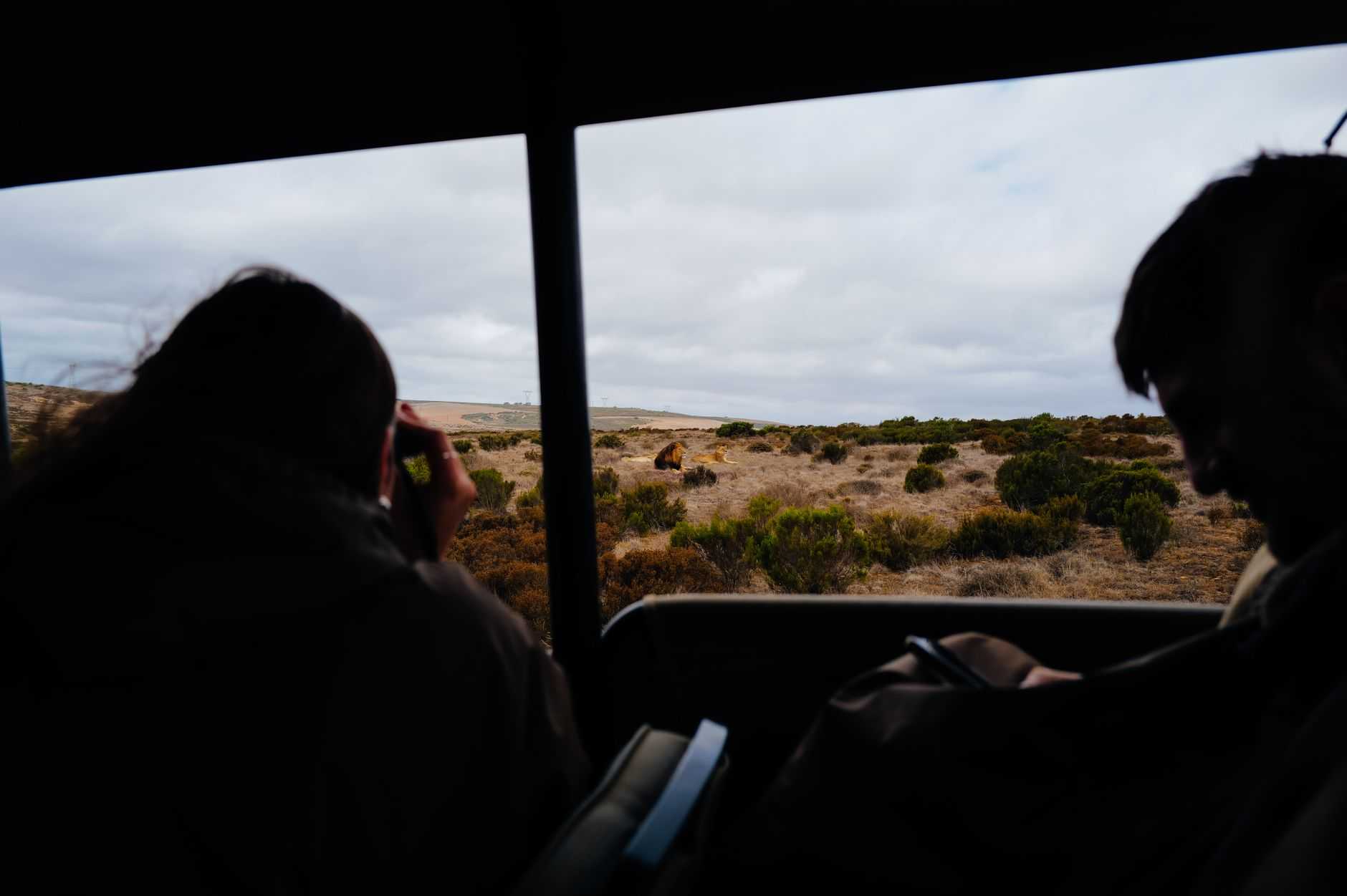
Don’t forget binoculars and a quality camera to capture the stunning wildlife. For families or longer trips, consider packing motion sickness tablets for bumpy game drives and environmentally safe toiletries to support the preservation of the crater’s natural beauty. Wabike & Deen Safaris offers bespoke packing checklists tailored to your itinerary, ensuring you won’t miss anything crucial.

Cultural Respect and Community Engagement While Traveling

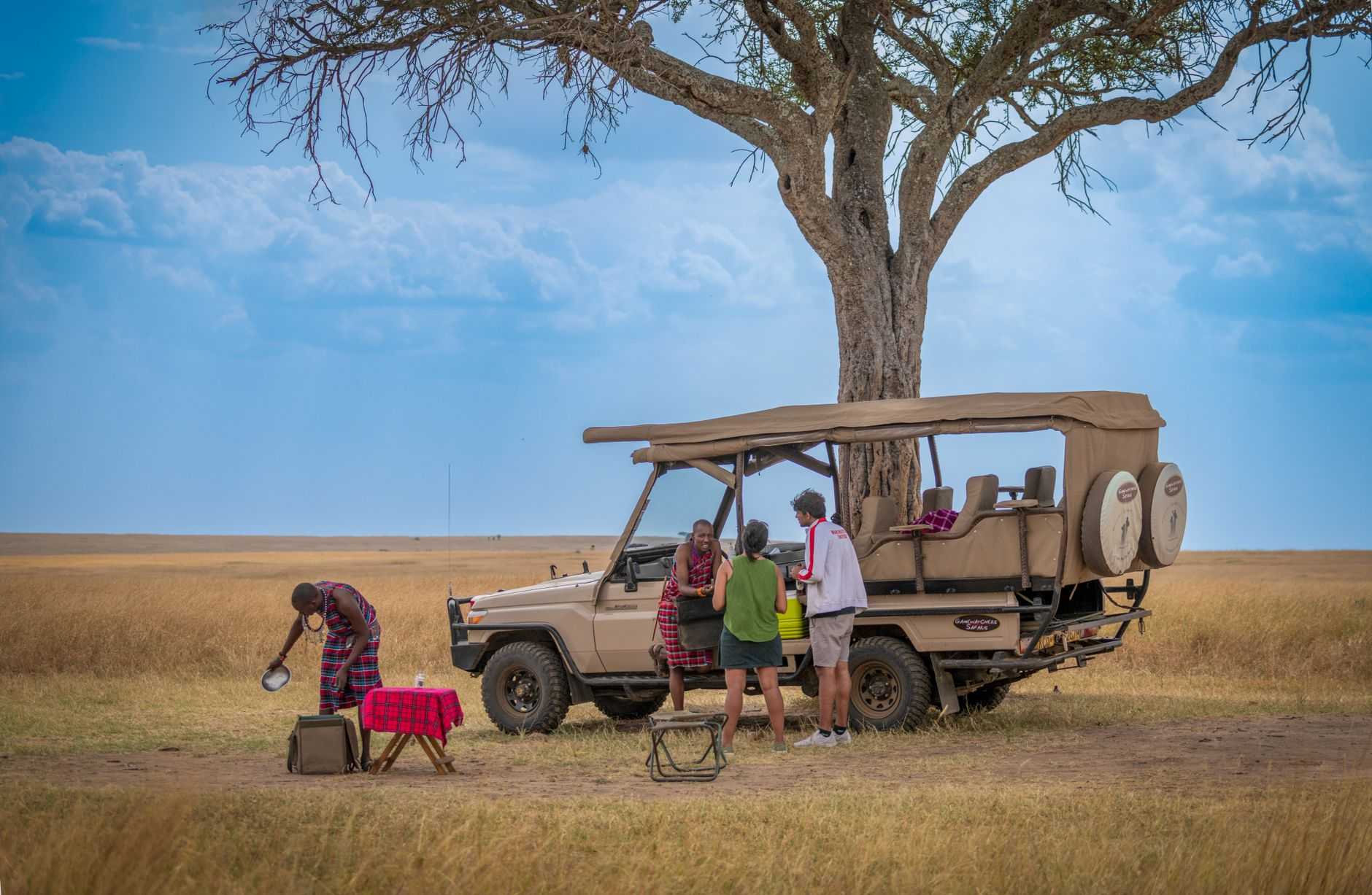
Visiting the Ngorongoro Conservation Area also means entering the lands inhabited by Maasai communities, who coexist with the rich environment. Engaging respectfully with local customs and traditions enriches your safari with authentic cultural dimensions. It’s important to dress modestly when visiting Maasai villages, seek permission before photographing people, and support community-run enterprises to contribute positively to the local economy.

Wabike & Deen Safaris integrates cultural tours alongside wildlife safaris, facilitating genuine interaction with Tanzanian tribes and fostering mutual respect. Their guides provide stories and insights that deepen your understanding of both nature and culture, making your visit meaningful while supporting sustainable tourism.

Timing Your Visit for the Best Wildlife Viewing

The timing of your Ngorongoro Crater safari can greatly influence the wildlife viewing experience. The dry season, spanning roughly from June to October, is considered ideal for seeing concentrated animal herds around waterholes, making sightings more predictable and photogenic. However, the wet seasons from November to May bring lush landscapes and the migratory movements of various species, offering a different but equally compelling safari experience, including fewer crowds and lower prices.

Wabike & Deen Safaris offers expert advice on seasonal wildlife behavior and customizes itineraries that correspond to your travel dates, budget, and wildlife interests. By linking travel preparation guides with itinerary details, travelers gain comprehensive insights to optimize their safari adventure.

Booking with Confidence and Preparing Logistically

Planning your safari through Wabike & Deen Safaris means benefiting from trusted booking policies supported by the STO Garant travel guarantee, which assures your reservation and payment security. Their clear cancellation and amendment policies provide flexibility that reduces traveler anxiety, allowing you to focus on enjoying the moments ahead.

After setting your travel dates and selecting accommodations—ranging from luxury lodges to family-friendly camps—use the company’s preparation resources to cross-reference packing tips, health advisories, and cultural etiquette. This seamless internal linking between itinerary pages and preparation blogs enhances your confidence and readiness. Additionally, their personalized travel proposals enable you to customize the safari elements according to your preferences, whether you seek adventure, comfort, or cultural immersion.

Conclusion: Setting Off Prepared for Unforgettable Ngorongoro Adventures

Preparing thoughtfully for your Ngorongoro Crater safari elevates the entire travel experience, bringing you closer to the enthralling wildlife and rich cultures of Tanzania. From understanding the crater’s environment and packing suitably to respecting local communities and timing your visit, each step ensures safety, comfort, and deeper enjoyment. By tapping into expert guidance from Wabike & Deen Safaris, travelers gain well-rounded, practical knowledge backed by genuine local insight and reliable support. Start your journey well-prepared, and the magic of the Ngorongoro Crater will reward you with memories to last a lifetime.